










- Home
- Knowledge
- How to Read Key Specifications
- Key Specifications: Which Four Numbers Decide Fit
Key Specifications: Which Four Numbers Decide Fit
Most datasheets carry forty numbers and four that matter. Find the four that bind your site — duty, size, power and interface — before comparing prices.
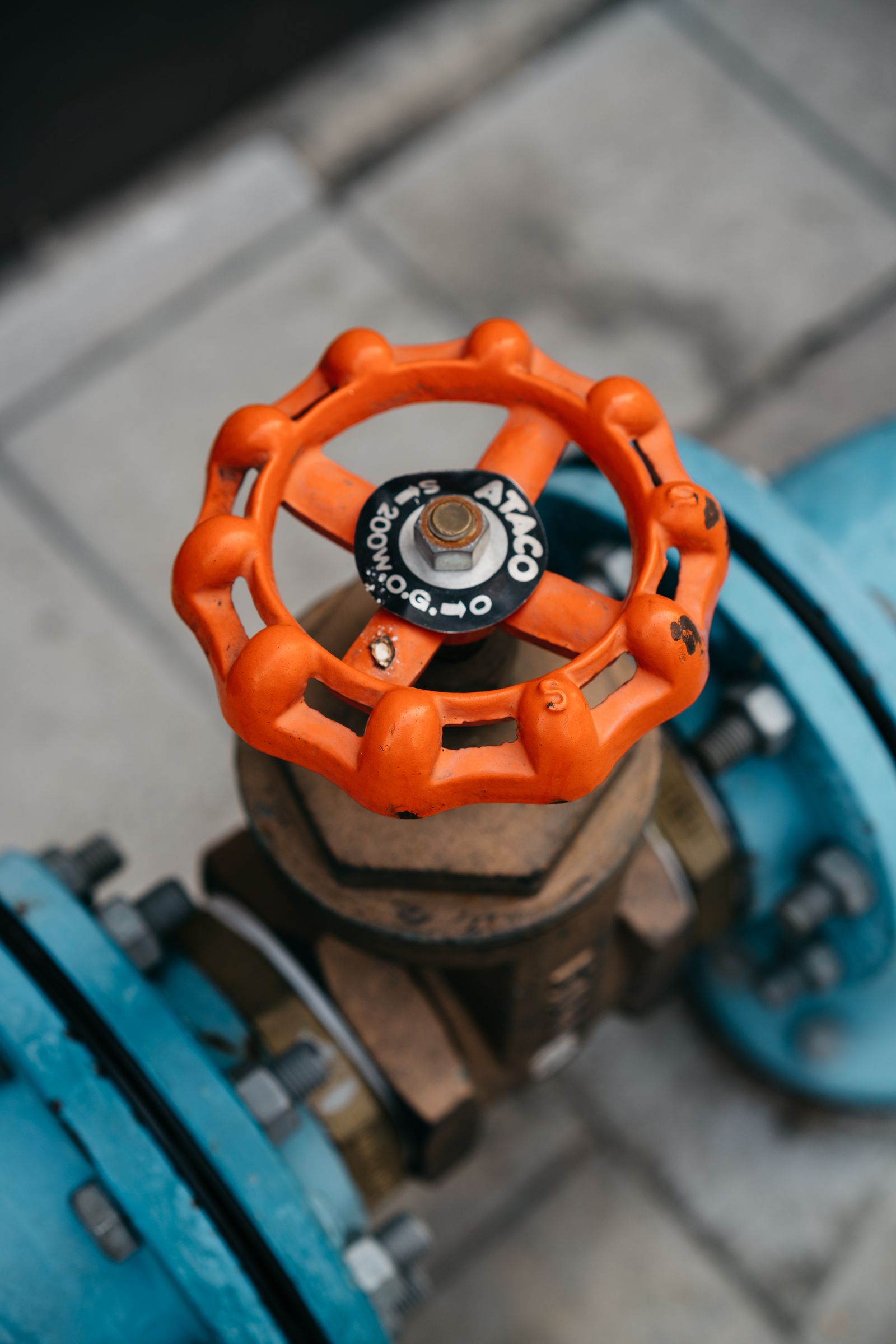
A machinery datasheet carries forty numbers. Four decide whether the machine fits your site: the duty rating at your conditions, the envelope dimensions, the power and starting requirement, and the interface — flanges, shafts, connections, controls.
1Why it matters
Buyers compare the headline number because it is easy to compare. The four binding numbers are the ones that make a machine unusable: a pump rated at 100 m³/h that needs 5 m of net positive suction head you do not have; a unit that fits the duty but not the doorway; a motor that cannot start on your supply; a flange pattern that does not match.
2The four binding numbers
| Number | What to read | What it constrains |
|---|---|---|
| Duty at your conditions | Flow and head, or throughput and product | Whether it does the job |
| Envelope | Length × width × height, transport weight | Access, transport, foundation |
| Power | kW, voltage, frequency, starting current | Supply capacity |
| Interface | Flange standard, shaft, control protocol | Whether it connects |
Everything else — efficiency class, noise, colour, paint system — matters, but rarely decides the purchase.
3Reading order that saves time
| Order | Read | Why first |
|---|---|---|
| 1 | Notes and test conditions | Defines every figure |
| 2 | Envelope and weight | Eliminates options fast |
| 3 | Power and starting | Eliminates more |
| 4 | Interface drawing | Confirms compatibility |
| 5 | Duty curve at your point | Confirms performance |
| 6 | Wear parts and service intervals | Total cost |
4Where spec reading goes wrong
- Comparing best points rather than duty points. A pump is efficient at one flow; your site is at another.
- Ignoring NPSH and suction conditions. Cavitation destroys a correctly sized pump.
- Reading dimensions without transport. Site access and trailer width are part of the envelope.
- Treating “up to” as a rating. A ceiling is not a capacity.
5Numbers to fix before you enquire
| Item | Range | Effect |
|---|---|---|
| Duty point | Flow/head or t/h/product | Performance |
| Available power | kVA, voltage, starting limit | Motor selection |
| Access envelope | Door or gate width and height | Machine size |
| Interface standard | DN, ANSI, ISO, custom | Connection |
| Service intervals | 500–8,000 h | Cost of ownership |
6Tools & next
Send two datasheets and your site constraints; we will rewrite both to the same conditions. Related reading: rated versus maximum versus typical, and how to size a pump from a system curve.
Key facts. Four numbers decide whether a machine fits a site: duty rating at the buyer’s actual conditions, envelope dimensions including transport weight, power and starting requirement, and interface standard. A pump rated at 100 m³/h with a net positive suction head requirement above what the system provides will cavitate regardless of its efficiency. Efficiency is quoted at a best point that is rarely the operating point. Envelope includes access: a machine that fits the duty but not the doorway or trailer deck is unusable. Interface mismatches — flange standard, shaft, control protocol — are discovered at installation, when correction is most expensive. “Up to” describes a ceiling rather than a rating. This article covers specification reading only; it does not cover acceptance testing or performance guarantees.
—
Published 25 November 2026 · 3 min read · Knowledge column.
On this page
Need this checked against your site?
Send the working condition, the quantity and the destination port. The desk answers with a written specification and a traceable price — not a brochure.