- Home
- Industry
- Road & Utility-Network Construction
- Trench and Kerb Work: Sizing Plant for Utility Runs
Trench and Kerb Work: Sizing Plant for Utility Runs
Utility runs are a compaction problem before they are a digging problem. Layer depth, trench width and reinstatement decide the plant list, not the dig depth.
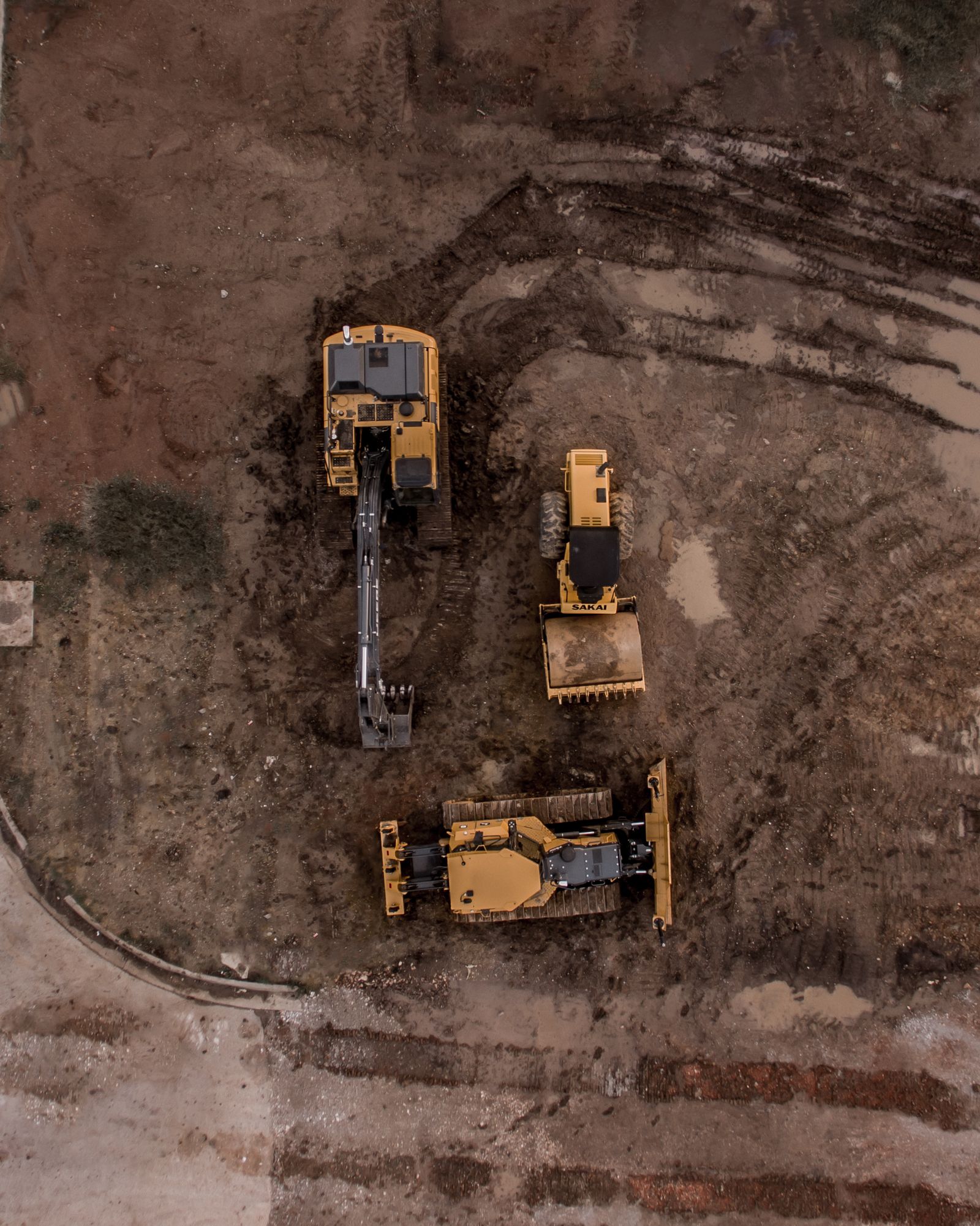
A utility trench fails at the reinstatement, not at the dig. Compaction in layers, the right trench width for the pipe, and a roller that can reach the strip decide whether the road settles in a year. Get those three right and almost any 5–8 t excavator will do the digging.
1Why it matters
Trench reinstatement is judged two years later, when the asphalt dips. The cause is usually a layer that was too thick for the compactor to reach density, or a backfill that was never specified. Both are decisions made at planning, not on site.
2The three numbers that set the plant
| Item | Typical value | What it decides |
|---|---|---|
| Trench width | Pipe OD + 300–600 mm | Bucket width, access for compaction |
| Layer thickness | 150–300 mm per pass | Compactor type and passes |
| Required density | 90–95% of maximum dry density | Roller class or plate compactor |
A 300 mm layer needs a vibratory roller or a heavy plate; a 150 mm layer can be done with a walk-behind unit in a narrow trench. The narrower the trench, the smaller the layer — which is why narrow-trench methods need more passes, not fewer.
3Matching plant to the run
| Work | Usual plant | Note |
|---|---|---|
| Excavation | 5–8 t wheeled or tracked excavator | Wheeled for road work; tracked for soft ground |
| Bedding and surround | Loader or mini with grading bucket | Bedding thickness 100–150 mm typical |
| Compaction in trench | Trench roller or heavy plate | Width-limited; passes rise as layer thins |
| Kerbs and edging | Kerb laying attachment or manual | Check lifting capacity at full reach |
| Surface reinstatement | Tandem roller, 1–3 t class | Matches asphalt layer thickness |
4Where road and utility jobs go wrong
- Specifying backfill by name only. “Granular fill” without grading or compaction requirement is not a specification.
- Layers thicker than the compactor can reach. The bottom of the layer stays loose and shows up as a dip later.
- Trench width for convenience, not for the pipe. Over-wide trenches need more fill and more compaction.
- Skipping density testing. Without a test result there is no evidence, and no remedy later.
5Numbers to fix before you enquire
| Item | Range | Effect |
|---|---|---|
| Run length | 50–2,000 m | Plant count and shifts |
| Pipe diameter | 100–1,200 mm | Trench width, lifting gear |
| Depth | 0.8–4 m | Shoring, reach |
| Density requirement | 90–95% MDD | Compactor class |
| Road class | Footway to heavy traffic | Layer design |
6Tools & next
Send the pipe schedule, the trench detail and the density requirement; we will return a plant list with the compaction method matched to the layer thickness. Related reading: narrow-site earthworks, and what a wheel loader datasheet does not tell you.
Key facts. Utility trench performance is decided by reinstatement, not excavation. Three numbers set the plant: trench width, usually pipe outside diameter plus 300–600 mm; layer thickness, typically 150–300 mm per compaction pass; and required density, commonly 90–95% of maximum dry density. A thicker layer requires a heavier compactor, so narrow trenches with thin layers need more passes rather than less equipment. A 5–8 t excavator handles most municipal runs, with wheeled machines preferred for road work and tracked machines for soft ground. Bedding thickness is typically 100–150 mm. Without density testing there is no evidence of compliance and no basis for remedy if the surface settles. This article covers plant selection for trench and kerb work only; it does not cover pavement design, traffic management plans or utility diversion engineering.
Safety: trench work requires shoring or battering to the project’s geotechnical design, and never permits entry to an unprotected excavation. Figures are for planning only.
Published 25 November 2026 · 4 min read · Industry column.
On this page
Need this checked against your site?
Send the working condition, the quantity and the destination port. The desk answers with a written specification and a traceable price — not a brochure.
Sourcing for this application
Tell us the machine, quantity and destination. We match audited factories, return comparable quotations, and handle inspection and freight if you need them.