- Home
- Industry
- Ports & Container Yards
- Container Yards: Reach Stacker or Forklift
Container Yards: Reach Stacker or Forklift
Stack height, box weight and aisle width decide between reach stacker, empty handler and heavy forklift. One of those three numbers usually settles it.
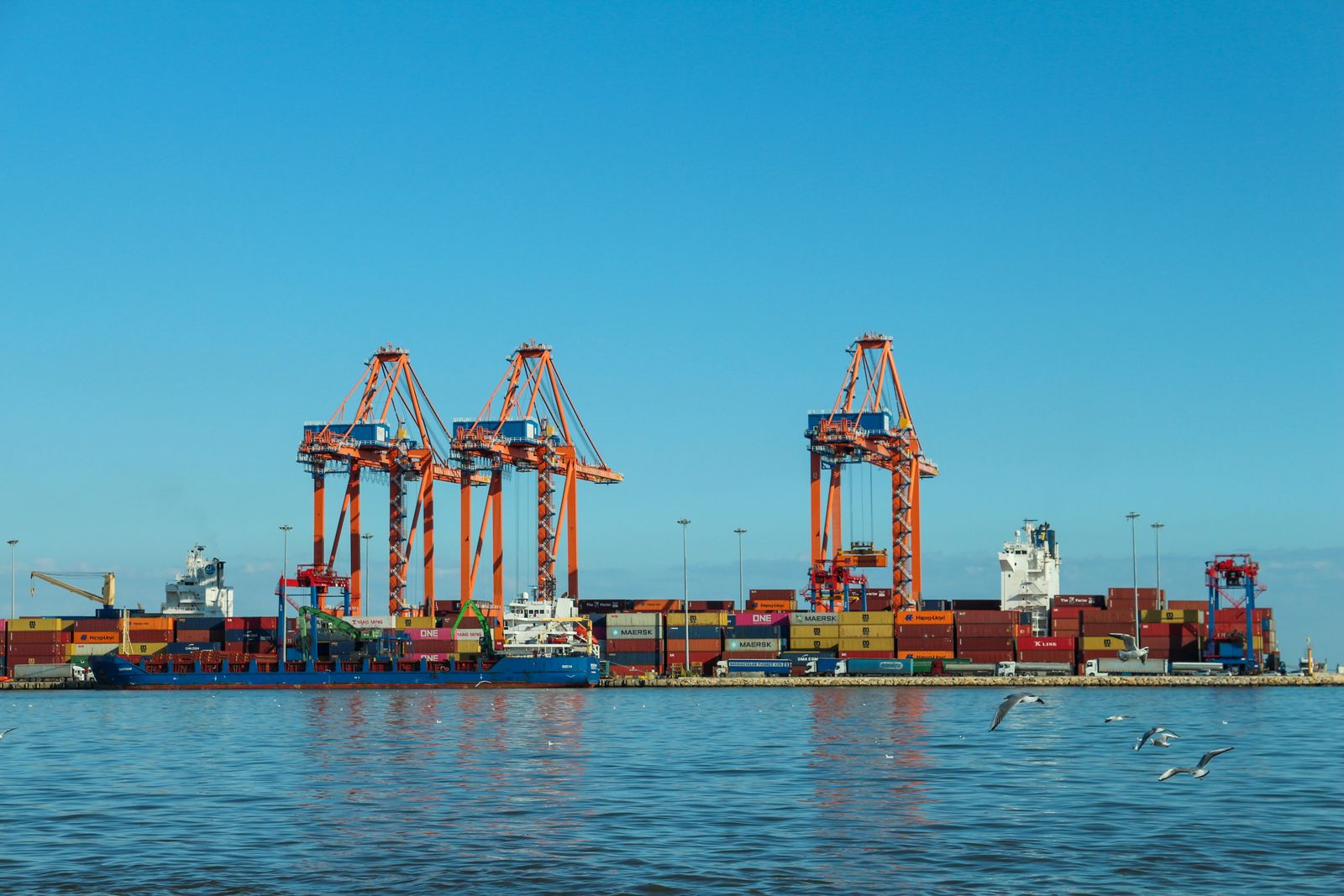
Three numbers decide container-yard equipment: the stack height you need, the heaviest box you handle, and the aisle you can spare. Reach stackers win on flexibility, empty handlers on density, and heavy forklifts on cost where the stack stays low.
1Why it matters
Yard equipment is bought for a decade. Choose a reach stacker for a yard that will never stack above three high and you have paid for capability you cannot use; choose an empty handler for a yard that receives loaded boxes and the first heavy import stops work. The decision is arithmetic, not preference.
2Matching handler to duty
| Equipment | Stack (loaded) | Stack (empty) | Aisle |
|---|---|---|---|
| Reach stacker | 4–5 high | 6–7 high | 12–15 m |
| Empty container handler | — | 6–8 high | 8–10 m |
| Heavy forklift | 2–3 high | 3–4 high | 4–6 m |
| Side loader | 2–3 high | 3–4 high | 6–8 m |
A 45 t reach stacker handles a 30 t box at four high with margin; the same yard with a 16 t forklift is limited to empty boxes and short stacks. The weight of the heaviest routine box, plus the spreader, sets the class — not the average.
3Yard layout arithmetic
| Factor | Effect on capacity |
|---|---|
| Stack height +1 | Roughly +20–30% boxes per hectare |
| Aisle width −2 m | +5–10% boxes per hectare |
| Block length | Longer blocks reduce handling moves |
| Truck lane separation | Throughput, not density |
Ground bearing capacity is the constraint that ends most stacking plans: four high of loaded boxes concentrates load under the feet in a way that many yards were never designed for.
4Where yards go wrong
- Buying for the average box. The heaviest routine box sets the class.
- Stacking higher than the ground allows. Settlement and pavement failure appear in year one.
- One machine for all duties. Empty and loaded handling have different economics.
- Ignoring the truck interface. A fast stacker feeding a slow gate is still a slow yard.
5Numbers to fix before you enquire
| Item | Range | Effect |
|---|---|---|
| Boxes per day | 20–500 | Fleet size |
| Max box weight | 10–30 t | Handler class |
| Stack height target | 2–6 high | Equipment type |
| Yard area | 5,000–100,000 m² | Layout and aisles |
| Ground bearing | 3–10 t/m² | Stack limit |
6Tools & next
Send the box mix, the stack target and the yard drawing; we will return a handler comparison with the density each achieves. Related reading: yard turnaround time, and how bulk loading equipment changes a flat yard.
Key facts. Container yard equipment is selected on three numbers: required stack height, heaviest routine box, and available aisle width. A reach stacker typically stacks four to five high loaded and six to seven high empty, needing 12–15 m aisles; an empty container handler reaches six to eight high with 8–10 m aisles; a heavy forklift manages two to three high loaded in 4–6 m aisles. The weight of the heaviest routine box plus spreader sets the machine class, not the average box. Adding one tier of stack height raises yard capacity by roughly 20–30% per hectare, but ground bearing capacity — often 3–10 t/m² — is the limit that ends most stacking plans. Faster stacking does not help if the gate cannot release trucks at the same rate. This article covers handler selection and density only; it does not cover crane operations, terminal operating systems or pavement design.
Safety: container handling requires trained operators, exclusion zones under suspended loads and wind limits for high stacking. Figures are for planning only.
Published 25 November 2026 · 4 min read · Industry column.
On this page
Need this checked against your site?
Send the working condition, the quantity and the destination port. The desk answers with a written specification and a traceable price — not a brochure.
Sourcing for this application
Tell us the machine, quantity and destination. We match audited factories, return comparable quotations, and handle inspection and freight if you need them.