










- Home
- Knowledge
- Understanding Quote Terms (Incoterms)
- Incoterms in a Machinery Quote: Where Risk Moves
Incoterms in a Machinery Quote: Where Risk Moves
An Incoterm moves three things at once: cost, risk and the point where control passes. Four terms cover most machinery deals, and they do not move together.
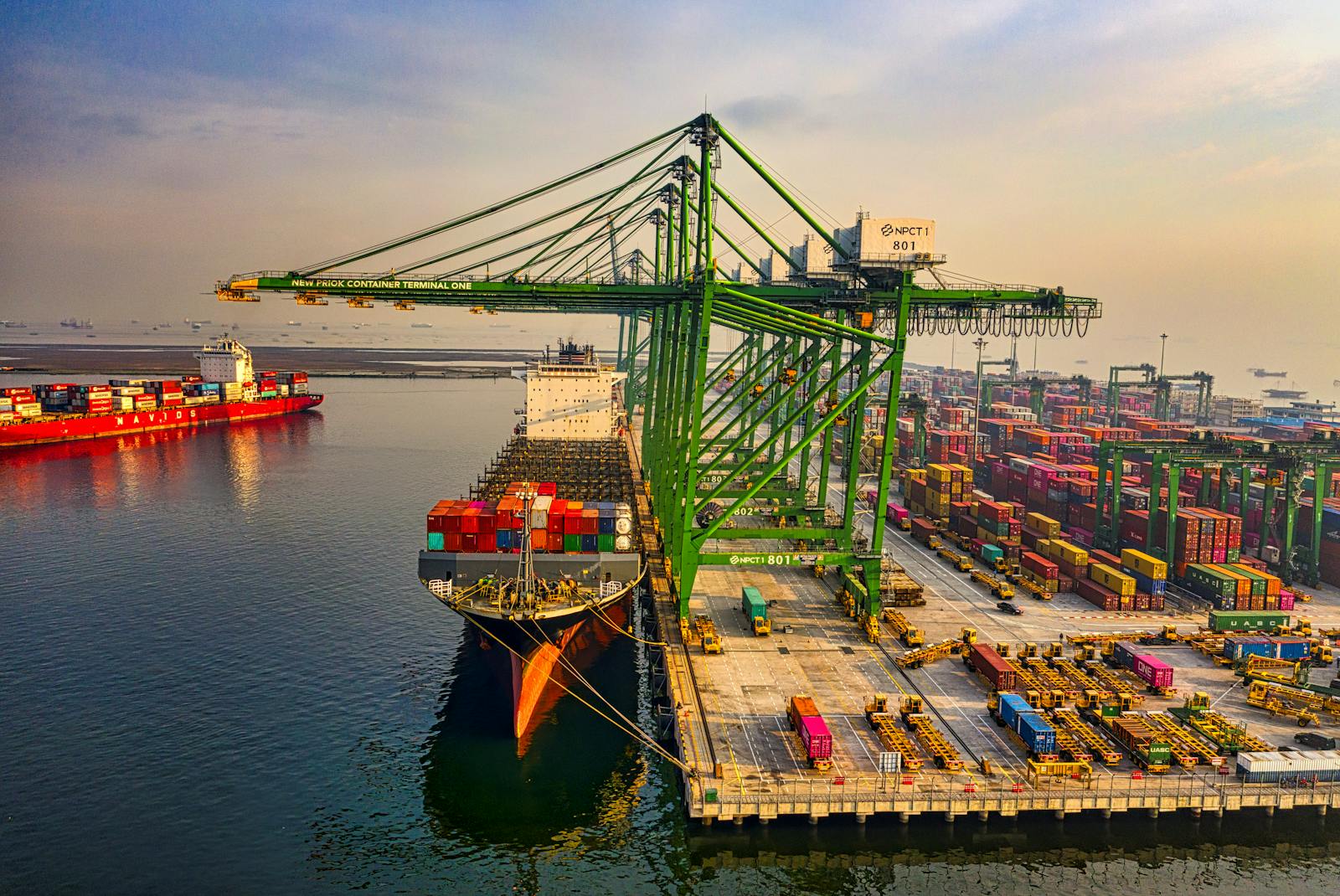
An Incoterm moves three things at once: cost, risk and the point where control passes. They do not always move together. FOB is the clearest example — cost passes at the ship’s rail, but the buyer may already own the risk before the cargo is loaded.
1Why it matters
Comparing a FOB price with a DAP price is comparing different products. One stops at the port of loading; the other arrives at your gate with duty and inland haulage included. Normalising quotes to one term is the first step of any serious comparison, and it is skipped more often than any other.
2The four terms that cover most deals
| Term | Seller pays | Risk passes | Buyer handles |
|---|---|---|---|
| FOB | To on board | On board vessel | Ocean freight, insurance, import |
| CIF | Freight and insurance to destination port | On board vessel | Import clearance, inland |
| DAP | To named place, not unloaded | At named place | Import duty and clearance |
| DDP | To named place, duty paid | At named place | Almost nothing |
3The mismatch worth knowing
| Term | Cost passes | Risk passes |
|---|---|---|
| FOB | On board | On board (but insurance is buyer’s from then) |
| CIF | Destination port | On board |
| DAP | Named place | Named place |
CIF is the term that most often surprises buyers: the seller arranges freight and insurance, but risk passes at loading. If the ship sinks, the buyer claims on the policy, not on the seller.
4Where terms go wrong
- Comparing different terms as if they were prices. Normalise first.
- Assuming CIF means the seller carries the risk. Risk passes at loading.
- DDP without a named place. Delivery at “destination” is not a defined point.
- Insurance below the term’s obligation. CIF insurance is minimum cover, not full cover.
5Numbers to fix before you enquire
| Item | Range | Effect |
|---|---|---|
| Term chosen | FOB / CIF / DAP / DDP | Who pays what |
| Insured value | 100–130% of CIF | Claim cover |
| Inland distance | 20–1,000 km | DAP vs DDP gap |
| Duty rate | 0–15% | DDP pricing |
6Tools & next
Send the quotes you are comparing and we will normalise them to one term. Related reading: how to calculate landed cost, and the customs document set.
Key facts. An Incoterm moves cost, risk and control, and not always at the same point. Under FOB the seller pays to on-board and risk passes when cargo is on board, while ocean freight, insurance and import are the buyer’s. CIF has the seller arranging freight and insurance to the destination port, but risk still passes at loading, so a loss at sea is claimed on the policy rather than from the seller; CIF insurance is also minimum cover. DAP places goods at a named place not unloaded, with import duty and clearance remaining the buyer’s. DDP includes duty and leaves almost nothing to the buyer. Comparing a FOB price with a DAP price compares different scopes, so normalising to one term precedes any valid comparison. Naming the place in DAP or DDP is essential because “destination” is not a defined point. This article covers Incoterms interpretation only; it does not cover contract law or cargo insurance negotiation.
—
Published 25 November 2026 · 3 min read · Knowledge column.
On this page
Need this checked against your site?
Send the working condition, the quantity and the destination port. The desk answers with a written specification and a traceable price — not a brochure.