










- Home
- Knowledge
- Choosing FCL vs LCL
- FCL or LCL: The Break-Even Nobody Calculates
FCL or LCL: The Break-Even Nobody Calculates
LCL looks cheaper below about 15 m³ and costs more above it once handling and damage risk are counted. The break-even moves with three inputs.
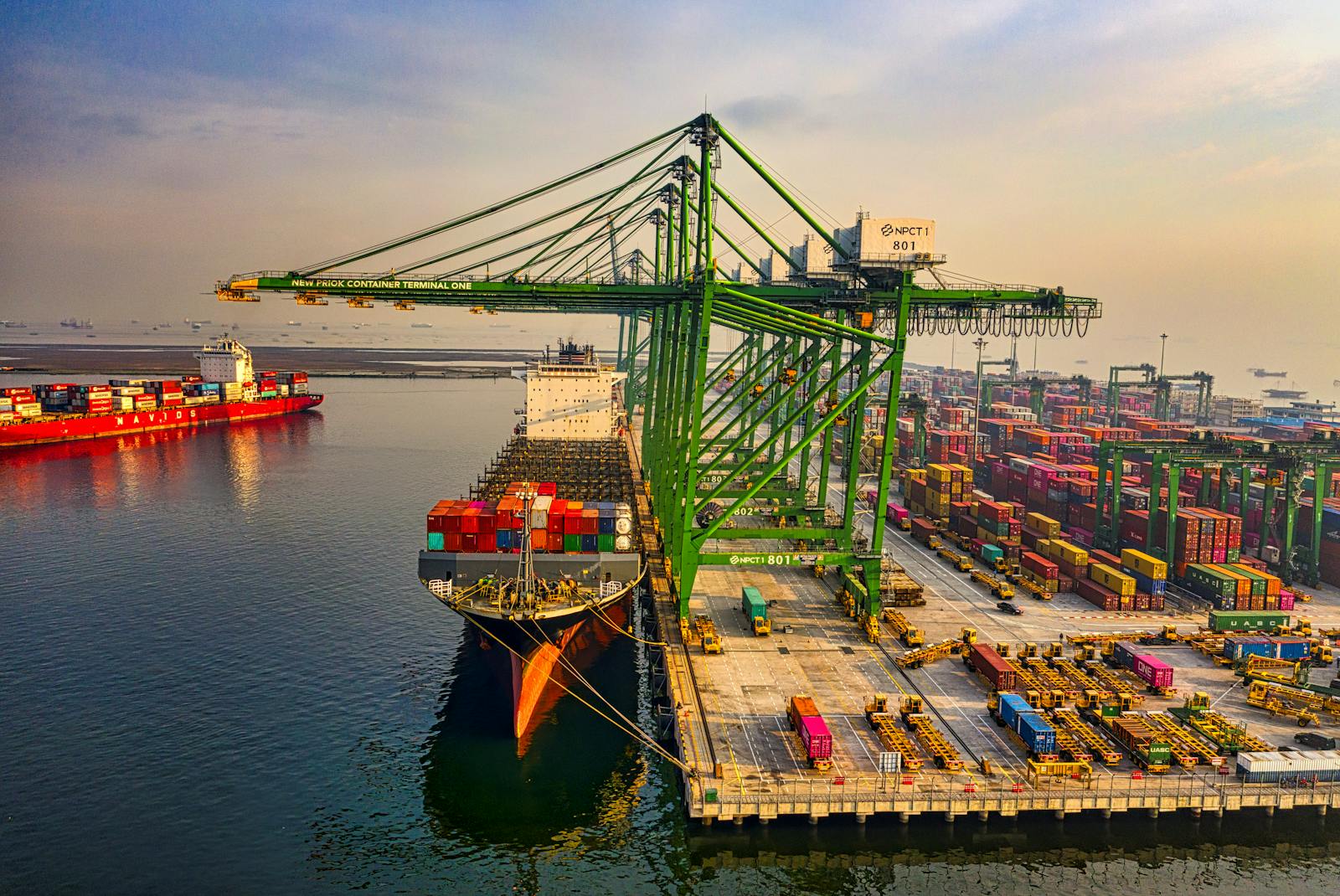
LCL is charged per freight ton — one cubic metre or one tonne, whichever is greater. FCL is charged per box regardless of fill. The break-even sits near 15 m³ for dense machinery, but it moves with three inputs: volume, weight and how much handling your cargo tolerates.
1Why it matters
LCL looks cheaper because the invoice is smaller. It ignores consolidation handling, extra loading and unloading, longer transit and the damage risk of sharing a container with unknown cargo. For machinery with exposed parts, that risk is the dominant cost.
2The comparison
| Factor | LCL | FCL |
|---|---|---|
| Pricing basis | Per W/M (m³ or tonne) | Per container |
| Break-even | Under ~15 m³ | Over ~15 m³ |
| Transit time | Longer, via consolidation | Direct |
| Handling | 4–6 touches | 2 touches |
| Damage risk | Higher, shared box | Contained |
| Documentation | Similar | Similar |
3Working the break-even
| Step | Do |
|---|---|
| 1 | Compute volume in m³ and weight in tonnes |
| 2 | Take the greater as freight tons |
| 3 | Multiply by LCL rate per W/M |
| 4 | Compare with FCL rate plus inland at both ends |
| 5 | Add a handling and damage allowance for LCL |
The allowance is the number people omit. Two extra handlings on a crated machine with protruding parts often costs more than the freight difference.
4Where the choice goes wrong
- Comparing rates without comparing touches. LCL adds handling at both consolidation and deconsolidation.
- Ignoring stackability. Machinery that cannot be stacked pays for air in an LCL box.
- Assuming FCL always needs a full box. A 20 ft container at 60% fill can still be the cheaper option.
- Forgetting destination charges. LCL deconsolidation fees at destination are often the surprise line.
5Numbers to fix before you enquire
| Item | Range | Effect |
|---|---|---|
| Volume | 1–60 m³ | Break-even position |
| Weight | 0.5–28 t | Freight tons |
| Stackability | Yes / no | Utilisation |
| Damage sensitivity | Low to high | LCL risk premium |
| Transit tolerance | Days | Consolidation delay |
6Tools & next
Send dimensions, weights and the destination port; we will return both options priced on the same basis. Related reading: how to ship a 22 t excavator, and the customs document set.
Key facts. LCL is charged per freight ton, defined as one cubic metre or one tonne, whichever is greater, while FCL is charged per container regardless of fill. For dense machinery the break-even sits near 15 m³, but it moves with volume, weight and handling tolerance. LCL adds four to six cargo touches against two for FCL, extends transit through consolidation, and shares the box with unknown cargo, which matters for machinery with exposed parts. Destination deconsolidation fees are a commonly omitted LCL cost. Cargo that cannot be stacked pays for unused space in an LCL box, while a 20 ft container at 60% fill can still be cheaper than LCL. This article covers the FCL/LCL choice only; it does not cover carrier selection, Incoterms or cargo insurance terms.
—
Published 25 November 2026 · 3 min read · Knowledge column.
On this page
Need this checked against your site?
Send the working condition, the quantity and the destination port. The desk answers with a written specification and a traceable price — not a brochure.