










- Home
- Knowledge
- Operation, Maintenance & After-Sales
- After-Sales: What to Fix Before the Machine Lands
After-Sales: What to Fix Before the Machine Lands
After-sales is decided before delivery, not after failure. Four arrangements — spares, response, access and records — set the cost of the first year.
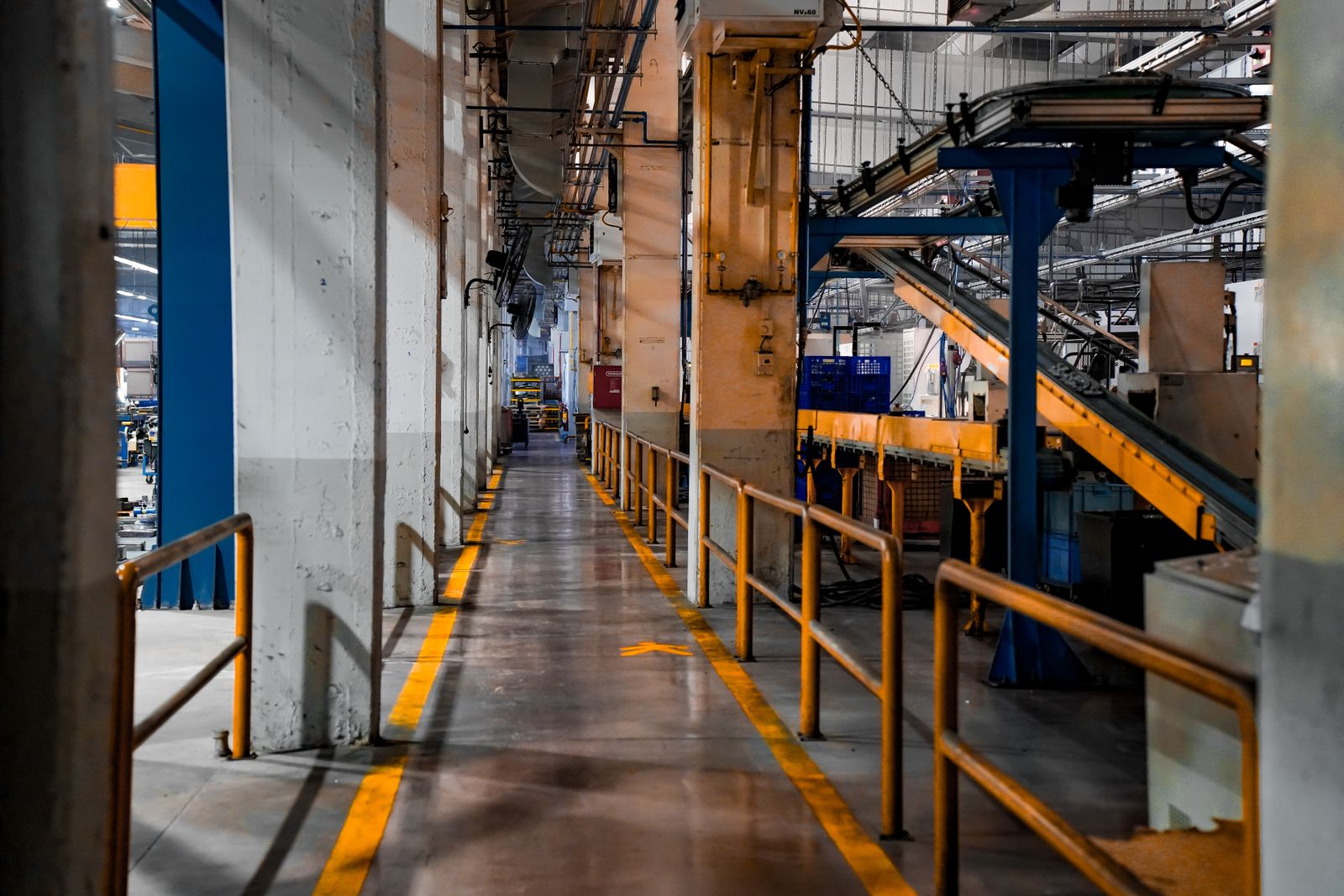
After-sales is an arrangement, not a department. Four things decide the first year’s cost: what spares you hold, how fast a response you have agreed, who can access the machine, and whether records exist to prove what happened.
1Why it matters
A machine that stops for a week costs more than the spare part that failed. The difference between a one-day and a three-week stop is usually not the fault but the arrangement: whether the part was on the shelf, whether anyone could be reached, and whether the failure could be diagnosed from records instead of guesswork.
2The four arrangements
| Arrangement | What to agree | Typical value |
|---|---|---|
| Spares holding | Critical parts on site, others on call | 1–2 sets of wear parts |
| Response | Acknowledge, attend, repair | 24–72 h acknowledge |
| Access | Who may open, adjust, reset | Named technicians, not “the supplier” |
| Records | Log of hours, faults, parts | Daily entry |
3The first-year spares list
| Category | Examples | Hold |
|---|---|---|
| Wear parts | Liners, belts, filters, seals | 1–2 sets |
| Consumables | Lubricants, grease | 3 months |
| Critical electronics | Controller, sensor | 1 unit if lead time > 2 weeks |
| Fast-moving | Hoses, clamps, fuses | Kit |
A spares list without lead times is a shopping list. The number that matters is the lead time of the slowest critical part.
4Where after-sales goes wrong
- Warranty discussed, spares not. Warranty covers the part; spares cover the downtime.
- Response time measured in promises. Put hours in the contract, not adjectives.
- No maintenance log. Without records, every failure is a first failure.
- Operator training skipped. Half of “machine faults” are operating errors.
5Numbers to fix before you enquire
| Item | Range | Effect |
|---|---|---|
| Operating hours | 8–24 h/day | Wear rate |
| Critical part lead time | 1–12 weeks | Spares holding |
| Response requirement | 24 h–7 days | Contract terms |
| Spares budget | 3–8% of machine value | Uptime |
6Tools & next
Send the machine and the operating hours; we will return a first-year spares list with lead times. Related reading: wear parts in tonnes, and arrival inspection in the first seven days.
Key facts. First-year after-sales cost is set by arrangements made before delivery. Four matter: spares holding, typically one to two sets of wear parts plus three months of consumables; an agreed response sequence with stated acknowledge and attend hours; access rules naming who may open, adjust or reset the machine; and maintenance records entered daily. A spares list becomes useful only when each item carries a lead time, because the slowest critical part determines the worst-case stop. Warranty covers the failed part rather than the downtime, so spares and warranty answer different questions. Operator error accounts for a substantial share of reported machine faults, which makes training a maintenance measure rather than an overhead. This article covers after-sales arrangements only; it does not cover warranty law, service level contracts or condition monitoring systems.
—
Published 25 November 2026 · 3 min read · Knowledge column.
On this page
Need this checked against your site?
Send the working condition, the quantity and the destination port. The desk answers with a written specification and a traceable price — not a brochure.