 Verhi
Verhi
Advantages of Laboratory Air Conditioning Over Comfort Air Conditioning in Laboratory Settings
Precision Air Conditioners vs. Standard Comfort ACs: What’s the Difference?
Constant temperature and humidity air conditioners (also known as precision air conditioners) are designed for high airflow and variable heat loads. But how are they different from standard comfort air conditioners?
Let’s break it down.
1. Cooling & Dehumidification Approach
- Standard comfort AC: Designed mainly for people. It uses low airflow with a large enthalpy drop, which means it cools and dehumidifies at the same time.
- Precision AC: Uses a design that tightly controls evaporator pressure. Higher airflow keeps the evaporator surface temperature above the dew point, so it doesn’t dehumidify unnecessarily. All the cooling goes toward lowering temperature — improving efficiency and reducing moisture loss.
2. Air Circulation & Temperature Uniformity
- Standard comfort AC: Low airflow and low velocity create only local circulation near the supply vent. This leads to uneven cooling and temperature differences across the room.
- Precision AC: High airflow and high air change rates create full-room circulation, ensuring even, uniform cooling throughout the space.
3. Filtration & Cleanliness
- Standard comfort AC: Low airflow and few air changes mean insufficient velocity to carry dust back to the filter. Dust settles inside the room. Plus, standard filters are often inadequate for clean environments.
- Precision AC: High airflow ensures excellent air movement. Dedicated, high-efficiency filters remove airborne dust quickly and effectively, helping maintain lab-grade cleanliness.
4. Winter Operation
- Standard comfort AC: Often struggles in winter because outdoor condensing pressure drops too low to work properly.
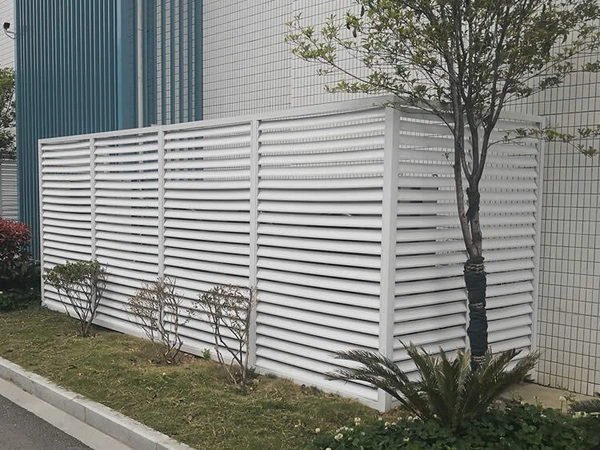
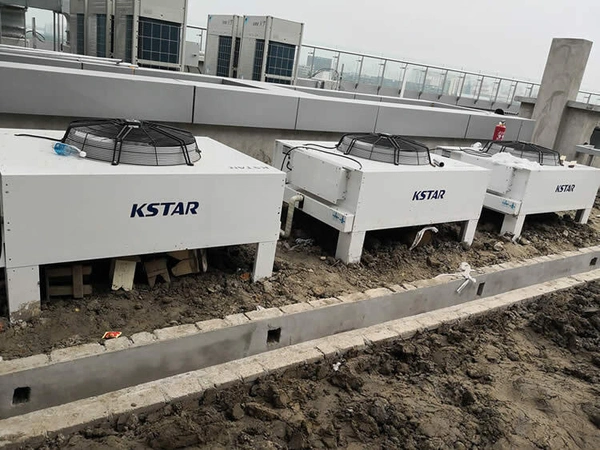
- Precision AC: Uses a controllable outdoor condenser, allowing stable operation year-round.
Why Laboratories Rely on Precision Air Conditioners
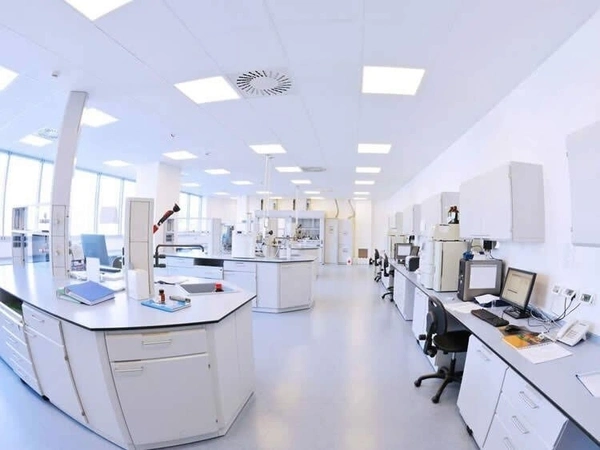
Precision air conditioners (like the BetterPac series) are widely used in labs, workshops, and precision manufacturing facilities. Labs, in particular, demand extremely tight environmental control to protect sensitive equipment, ensure reliable operation, extend equipment life, and provide a safe, comfortable space for staff.
So how do they deliver such consistent performance?
How BetterPac Precision ACs Get the Job Done
Compared to a standard comfort AC with the same cooling capacity, the BetterPac constant temperature and humidity unit delivers about double the airflow and half the enthalpy drop.
Because labs usually don’t require active dehumidification, the higher airflow allows the unit to run above the air dew point. Unlike comfort ACs — which must cool air below the dew point to manage humidity — the BetterPac can raise the refrigerant’s evaporating temperature, improving thermal efficiency and overall operating economy.
Labs also need stable temperature and humidity. Higher airflow directly supports that stability. With fixed cooling capacity, more airflow means a smaller enthalpy drop — so the unit naturally runs at a high sensible heat ratio, which perfectly matches the typical heat load profile of a laboratory.
Precision You Can Rely On
The BetterPac laboratory precision air conditioner delivers accurate control over temperature, humidity, and air cleanliness — keeping your space firmly within required environmental limits. It ensures equipment runs properly, personnel work safely, and sensitive experiments proceed without interruption.
For labs and other precision environments, BetterPac is the clear choice.



Submit for consultation
We will reply to you within 24 hours