How to Run a Mini Excavator Business? Keep These Five Points in Mind!
Running a successful excavator business is no easy feat—operations require careful attention to countless details, from purchasing and transporting equipment to selecting projects, hiring operators, and maintaining machinery. Every step is a critical link that can make or break your profitability. To help you navigate this industry, we’ve compiled five essential tips for running a mini excavator business, straight from the insights of an experienced operator.
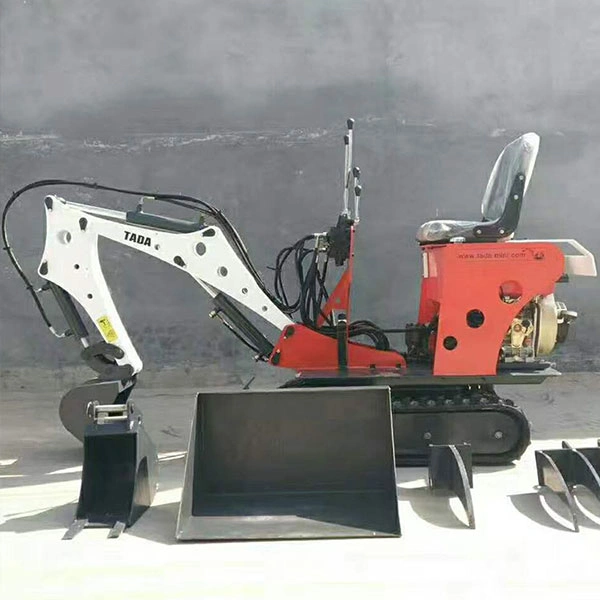
I. Smart Machine Purchase: Align with Your Business Needs
Investing in the right mini excavator is the foundation of a profitable business. Rushing into a purchase without careful planning can lead to wasted resources, mismatched equipment, and lost opportunities. Consider these key factors before making your decision:
1. Match Equipment to Project Scale
The size, model, and quantity of mini excavators you purchase should directly align with the projects you plan to take on. For large-scale earth-rock work, medium-to-large open-pit mining, or major construction projects, it’s wise to consult a design institute or industry experts. They can help you determine the optimal equipment specifications based on your investment budget, supporting machinery, and project requirements—ensuring you don’t overspend on equipment that’s too large or underinvest in machinery that can’t keep up with demand.
2. Ensure Compatibility with Existing Supporting Facilities
When adding a mini excavator to your fleet, always consider its compatibility with your current equipment. This means matching the excavator’s working efficiency, size, and capabilities to your existing machinery (such as dump trucks, loaders, or trailers). Mismatched equipment—for example, a mini excavator that’s too slow to keep up with your dump trucks—can lead to costly delays and inefficiencies. Taking the time to ensure compatibility will maximize productivity and avoid unnecessary waste.
3. Evaluate Job Site Conditions
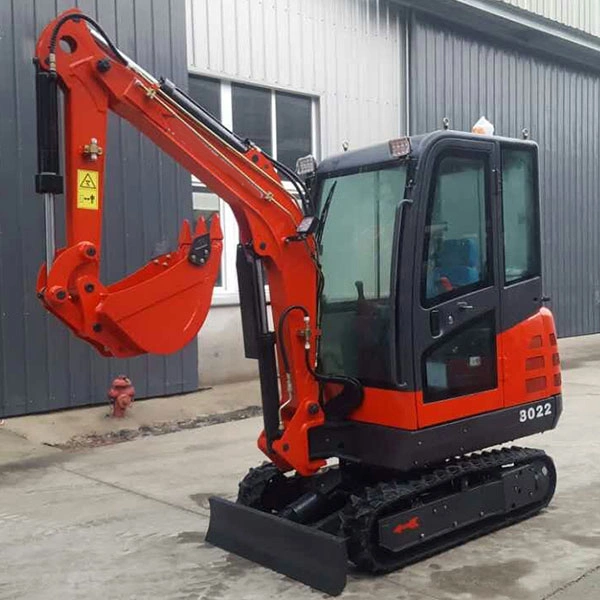
No two job sites are the same, and understanding the terrain, environment, and potential challenges of your work area is crucial for choosing the right mini excavator. Take the time to assess factors like soil type, slope steepness, space constraints, and travel routes. For example, a mini excavator with rubber tracks may be better suited for soft or uneven terrain, while a machine with steel tracks might be ideal for rocky areas. By understanding the working environment, you can select a machine that performs reliably and minimizes downtime.
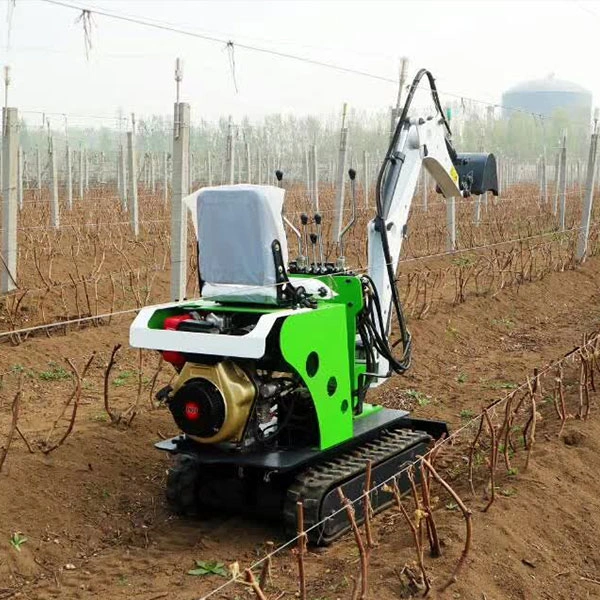
II. Operational Strategies: Maximize Profit and Minimize Risk
Successful mini excavator operations rely on strategic decision-making—knowing which projects to take, how to prepare for each job, and how to leverage opportunities to grow your business. Here are proven operational tips from industry veterans:
- Avoid Hasty Earth-Rock Project Contracts: Earth-rock work carries hidden risks—you never know what lies beneath the soil. A seemingly simple job could require digging an extra foot, which could take an entire day of extra work and eat into your profits. Always conduct a thorough site assessment and clarify project expectations upfront to avoid unexpected costs.
- Conduct Pre-Job Site Surveys: Mini excavator projects often have short durations, so time is money. Before starting any job, survey the site yourself to identify potential issues (such as underground utilities, soft soil, or space limitations). Spending an hour on a pre-job survey can save you a full day of fixing problems that could have been avoided—keeping your projects on track and profitable.
- Prioritize Rural Projects for Higher Profits: Rural areas often offer better profit margins than urban job sites. Rural customers rarely delay payments (they typically hire you only when they have the funds), and they’re often less demanding than urban subcontractors. Additionally, word-of-mouth spreads quickly in rural communities—doing a good job for one household can lead to projects from the entire village. Consider offering small incentives, such as a few hundred dollars in referral fees; this small investment can yield tens of thousands of dollars in new business.
- Equip Your Machine with a Breaker Hammer for Mountainous Work: If you operate in mountainous areas, a breaker hammer is a must-have accessory. Many foundation excavation jobs in these regions require breaking rock or hard soil—tasks that a standard mini excavator can’t handle. Having a breaker hammer gives you a competitive edge, allowing you to take on jobs that other operators can’t, and increasing your revenue potential.
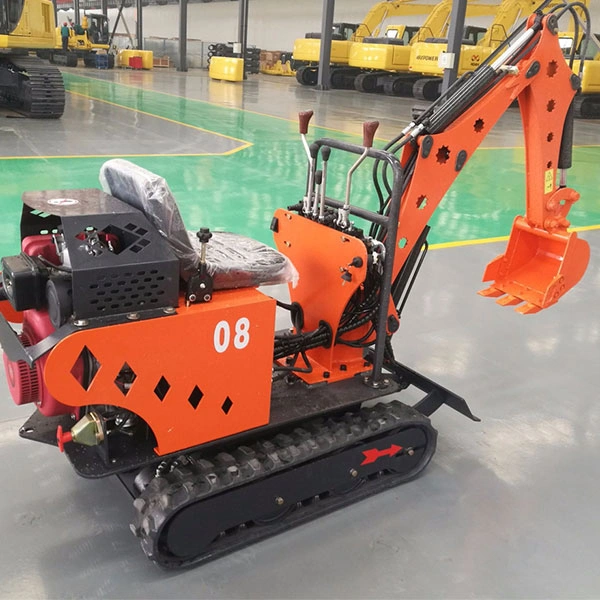
III. Machine Safety: Protect Your Equipment and Crew
Mini excavators are often used in rural and municipal areas, where projects are short-term and mobility is key. Most operators transport their machines using trailers, often traveling through mountainous or remote areas. To ensure safety on the road and at the job site, follow these critical safety tips:
- Choose a Trailer with a Low Profile: A high trailer is prone to hitting overhead electrical wires, especially in rural or wooded areas. Opt for a low-profile trailer to reduce this risk and ensure safe travel.
- Use Air Brakes (Preferably with a Water Spray Feature): Hydraulic (oil) brakes can weaken quickly during long downhill stretches, which has led to tragic accidents where trailers and excavators tumble off cliffs. Air brakes are more reliable, and those with a water spray feature help keep brakes cool during extended use—critical for safe mountain travel.
- Prioritize a Spring Brake (Fail-Safe/Parking Brake): If your trailer doesn’t have a spring brake, always place stones or chocks under the wheels when loading or unloading the mini excavator. Relying solely on someone stepping on the brake is insufficient—countless operators have experienced the terror of their excavator and trailer sliding together. Don’t cut corners on parking safety.
- Select a Trailer with an Appropriate Wheelbase for Mountain Roads: If you frequently travel on mountain roads, avoid trailers with long wheelbases—they can be difficult to navigate around curves, especially uphill. Choose a trailer that’s tailored to your local geographical conditions to ensure safe and efficient transport.
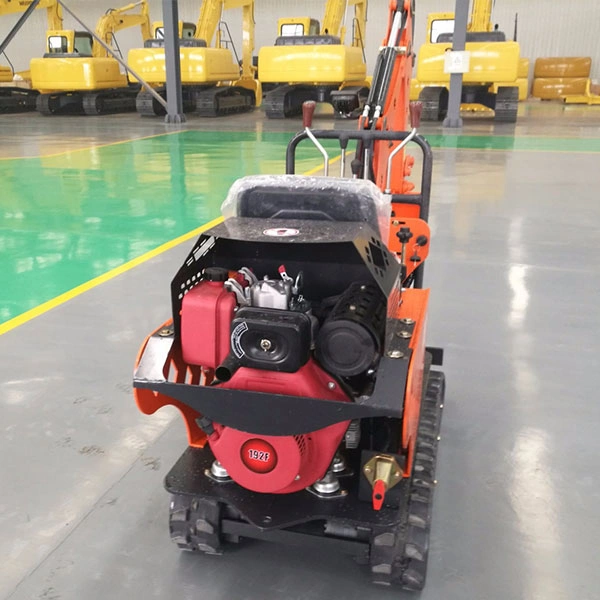
IV. Machine Management: Hire and Retain the Right Operators
Your operator is one of the most important assets in your mini excavator business. Their skill, care, and attitude will directly impact the quality of your work, the lifespan of your equipment, and your local reputation. Here’s how to manage your operators effectively:
Never cut costs by hiring inexperienced operators (like recent graduates) or those who don’t take care of equipment. Saving a few hundred dollars a month on wages can cost you far more in the long run—poorly done work will ensure locals never hire you again, and a single scratch or mechanical issue from rough operation can cost thousands to repair.
Treat your operators with respect—don’t put on airs, and don’t be stingy with fair compensation or small perks. An operator who feels undervalued or disrespected will likely operate the machine roughly, leading to premature wear and tear. Ideally, the best operator is the business owner themselves—if you have the time and experience, operating your own machine allows you to maintain quality control and care for your equipment as if it were your most valuable asset (which it is).
Remember: An operator’s daily habits—from how they handle the machine to how they perform basic maintenance—directly impact your excavator’s service life and your reputation in the community. Invest in good operators, and they’ll invest in your business.
V. Machine Maintenance: Extend Equipment Life and Reduce Downtime
Regular maintenance is non-negotiable for a successful mini excavator business. Neglecting maintenance leads to costly breakdowns, unplanned downtime, and premature equipment replacement. Follow these maintenance tips to keep your machine running smoothly:
- Perform Daily Maintenance Tasks: Start each day with essential checks: grease the entire machine, drain water from the fuel tank and water separator, check engine oil levels, and inspect coolant. Premature wear of critical components like the injection pump and injectors is often caused by inadequate daily maintenance—don’t skip these simple tasks.
- Stick to Maintenance Intervals (and Shorten Them if Needed): Follow the manufacturer’s recommended maintenance intervals religiously, and complete all required services. If you operate in harsh conditions—such as prolonged breaker hammer use, dusty environments, or wet terrain—shorten these intervals to prevent excessive wear. Taking proactive care will save you from costly repairs down the line.
- Keep the Machine and Cab Clean: Regularly blow out the air filter and radiator to prevent clogs and overheating. A dirty cab can also clog the AC filter, circulating dusty air that’s harmful to both the operator’s health and the machine’s internal components. A clean machine is a well-maintained machine—make cleanliness part of your daily routine.
These five tips are just the starting point for running a successful mini excavator business. To thrive in this industry, you’ll need to stay adaptable, prioritize safety and quality, and pay attention to every detail—from equipment purchase to daily operations. With the right strategy and care, your mini excavator business can become a reliable, profitable venture.