 Verhi
Verhi
What factors affect the reliability of UPS batteries?
Factors Affecting the Reliability of UPS Batteries
For users, the purpose of purchasing a UPS Uninterruptible Power Supply is to achieve more stable and efficient operation of electrical power. Therefore, any UPS power supply must have stability.
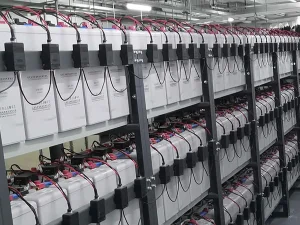
The batteries used in UPS uninterruptible power supplies are lead-acid batteries. They operate on the same working principle as open-type lead-acid batteries and use the same battery technology commonly found in UPS batteries on the market. However, battery lifespan varies significantly among different manufacturers, and the lifespan of UPS batteries is very important to users. So, what factors affect the reliability of UPS batteries?
1. Temperature affects battery reliability
Under normal operating conditions, temperature has a significant impact on the batteries in a UPS system. During energy conversion within the battery cell, temperature greatly influences the natural aging process of the battery. This is also an important reason why the replacement cycle for standby or line-interactive UPS batteries is relatively longer. Of course, battery quality also affects how temperature impacts the battery. This is why, when purchasing UPS equipment and batteries, it is important to work with a professional company such as Energy Saving Cat.
2. Battery voltage affects battery reliability
When each series-connected cell undergoes energy conversion, it is being charged. During charging of a UPS battery, relying on oxidation-reduction reactions, only a very small amount of hydrogen is released. Slight differences in cell performance can cause some cells to have a higher charging voltage than others, causing those cells to age prematurely. When the UPS capacity is fixed, the design should aim to keep the battery voltage as low as possible, which will result in a longer UPS battery life.
3. Battery ripple current affects battery reliability
The battery must be kept in a constant voltage state. In this state, a fully charged battery will draw only a very small charger current. The battery is the most unreliable part of a UPS system. To extend UPS battery service life, the quality of the UPS design directly affects battery reliability. Designs that result in ripple current in the battery should be avoided whenever possible, as ripple current causes unnecessary overheating of the battery. Some UPS designs may cause ripple current in the battery, leading to excessive heat. Most UPS units use similar batteries, but different UPS designs can greatly affect battery lifespan. Leidis UPS power supplies are reliable, stable, and a top choice for businesses.
Choose Energy Saving Cat for your UPS uninterruptible power supply. We offer guaranteed product quality and professional engineering support — a reliable partnership you can count on.

Submit for consultation
We will reply to you within 24 hours