
Tips for Running a Successful Mini Excavator Business
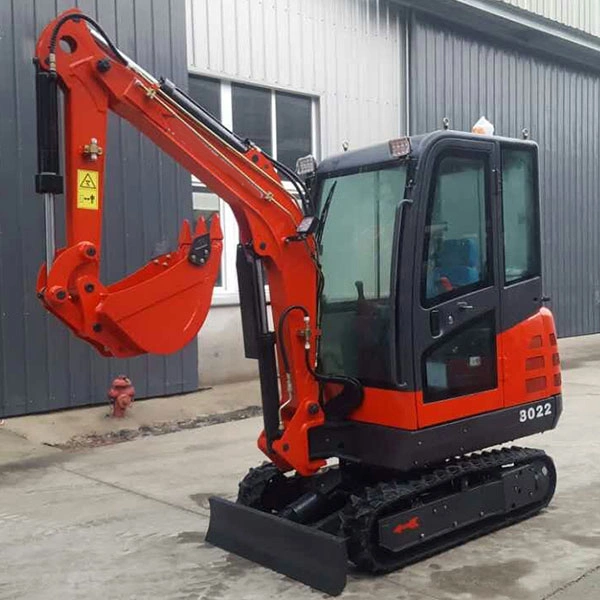
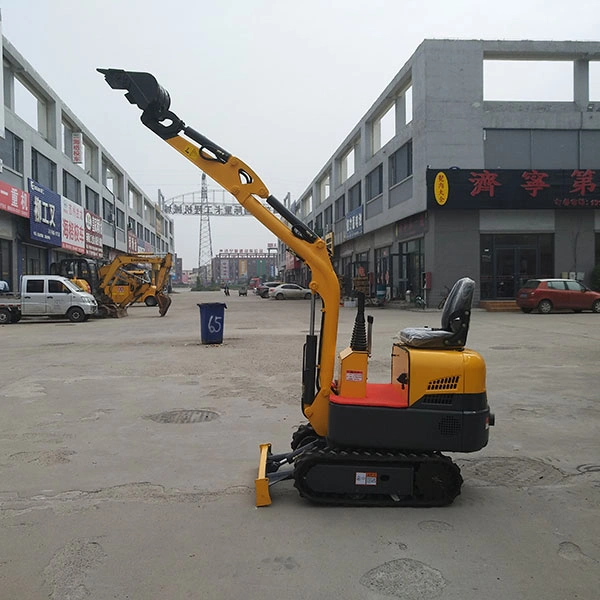
Running a successful excavator business is no easy feat—operations require careful attention to countless details, from purchasing and transporting equipment to selecting projects, hiring operators, and maintaining machinery. Every step is a critical link that can make or break your profitability. To help you navigate this industry, we’ve compiled essential tips for running a mini excavator business, straight from the insights of an experienced operator—including key winter maintenance guidelines to protect your equipment, a detailed overview of the North American mini excavator market trends, and a comprehensive breakdown of skid steer loaders, another versatile compact equipment option.

I. Smart Machine Purchase: Align with Your Business Needs
Investing in the right mini excavator is the foundation of a profitable business. Rushing into a purchase without careful planning can lead to wasted resources, mismatched equipment, and lost opportunities. Consider these key factors before making your decision:
1. Match Equipment to Project Scale
The size, model, and quantity of mini excavators you purchase should directly align with the projects you plan to take on. For large-scale earth-rock work, medium-to-large open-pit mining, or major construction projects, it’s wise to consult a design institute or industry experts. They can help you determine the optimal equipment specifications based on your investment budget, supporting machinery, and project requirements—ensuring you don’t overspend on equipment that’s too large or underinvest in machinery that can’t keep up with demand.
2. Ensure Compatibility with Existing Supporting Facilities
When adding a mini excavator to your fleet, always consider its compatibility with your current equipment. This means matching the excavator’s working efficiency, size, and capabilities to your existing machinery (such as dump trucks, loaders, or trailers). Mismatched equipment—for example, a mini excavator that’s too slow to keep up with your dump trucks—can lead to costly delays and inefficiencies. Taking the time to ensure compatibility will maximize productivity and avoid unnecessary waste.
3. Evaluate Job Site Conditions
No two job sites are the same, and understanding the terrain, environment, and potential challenges of your work area is crucial for choosing the right mini excavator. Take the time to assess factors like soil type, slope steepness, space constraints, and travel routes. For example, a mini excavator with rubber tracks may be better suited for soft or uneven terrain, while a machine with steel tracks might be ideal for rocky areas. By understanding the working environment, you can select a machine that performs reliably and minimizes downtime.
II. Operational Strategies: Maximize Profit and Minimize Risk
Successful mini excavator operations rely on strategic decision-making—knowing which projects to take, how to prepare for each job, and how to leverage opportunities to grow your business. Here are proven operational tips from industry veterans:
- Avoid Hasty Earth-Rock Project Contracts: Earth-rock work carries hidden risks—you never know what lies beneath the soil. A seemingly simple job could require digging an extra foot, which could take an entire day of extra work and eat into your profits. Always conduct a thorough site assessment and clarify project expectations upfront to avoid unexpected costs.
- Conduct Pre-Job Site Surveys: Mini excavator projects often have short durations, so time is money. Before starting any job, survey the site yourself to identify potential issues (such as underground utilities, soft soil, or space limitations). Spending an hour on a pre-job survey can save you a full day of fixing problems that could have been avoided—keeping your projects on track and profitable.
- Prioritize Rural Projects for Higher Profits: Rural areas often offer better profit margins than urban job sites. Rural customers rarely delay payments (they typically hire you only when they have the funds), and they’re often less demanding than urban subcontractors. Additionally, word-of-mouth spreads quickly in rural communities—doing a good job for one household can lead to projects from the entire village. Consider offering small incentives, such as a few hundred dollars in referral fees; this small investment can yield tens of thousands of dollars in new business.
- Equip Your Machine with a Breaker Hammer for Mountainous Work: If you operate in mountainous areas, a breaker hammer is a must-have accessory. Many foundation excavation jobs in these regions require breaking rock or hard soil—tasks that a standard mini excavator can’t handle. Having a breaker hammer gives you a competitive edge, allowing you to take on jobs that other operators can’t, and increasing your revenue potential.
III. Machine Safety: Protect Your Equipment and Crew
Mini excavators are often used in rural and municipal areas, where projects are short-term and mobility is key. Most operators transport their machines using trailers, often traveling through mountainous or remote areas. To ensure safety on the road and at the job site, follow these critical safety tips:
- Choose a Trailer with a Low Profile: A high trailer is prone to hitting overhead electrical wires, especially in rural or wooded areas. Opt for a low-profile trailer to reduce this risk and ensure safe travel.
- Use Air Brakes (Preferably with a Water Spray Feature): Hydraulic (oil) brakes can weaken quickly during long downhill stretches, which has led to tragic accidents where trailers and excavators tumble off cliffs. Air brakes are more reliable, and those with a water spray feature help keep brakes cool during extended use—critical for safe mountain travel.
- Prioritize a Spring Brake (Fail-Safe/Parking Brake): If your trailer doesn’t have a spring brake, always place stones or chocks under the wheels when loading or unloading the mini excavator. Relying solely on someone stepping on the brake is insufficient—countless operators have experienced the terror of their excavator and trailer sliding together. Don’t cut corners on parking safety.
- Select a Trailer with an Appropriate Wheelbase for Mountain Roads: If you frequently travel on mountain roads, avoid trailers with long wheelbases—they can be difficult to navigate around curves, especially uphill. Choose a trailer that’s tailored to your local geographical conditions to ensure safe and efficient transport.
IV. Machine Management: Hire and Retain the Right Operators
Your operator is one of the most important assets in your mini excavator business. Their skill, care, and attitude will directly impact the quality of your work, the lifespan of your equipment, and your local reputation. Here’s how to manage your operators effectively:
Never cut costs by hiring inexperienced operators (like recent graduates) or those who don’t take care of equipment. Saving a few hundred dollars a month on wages can cost you far more in the long run—poorly done work will ensure locals never hire you again, and a single scratch or mechanical issue from rough operation can cost thousands to repair.
Treat your operators with respect—don’t put on airs, and don’t be stingy with fair compensation or small perks. An operator who feels undervalued or disrespected will likely operate the machine roughly, leading to premature wear and tear. Ideally, the best operator is the business owner themselves—if you have the time and experience, operating your own machine allows you to maintain quality control and care for your equipment as if it were your most valuable asset (which it is).
Remember: An operator’s daily habits—from how they handle the machine to how they perform basic maintenance—directly impact your excavator’s service life and your reputation in the community. Invest in good operators, and they’ll invest in your business.
V. Machine Maintenance: Extend Equipment Life and Reduce Downtime
Regular maintenance is non-negotiable for a successful mini excavator business. Neglecting maintenance leads to costly breakdowns, unplanned downtime, and premature equipment replacement. Below are essential daily maintenance tips, plus critical guidelines for winter care—when cold temperatures pose unique risks to your machinery.
1. Daily Maintenance Basics
- Perform Daily Maintenance Tasks: Start each day with essential checks: grease the entire machine, drain water from the fuel tank and water separator, check engine oil levels, and inspect coolant. Premature wear of critical components like the injection pump and injectors is often caused by inadequate daily maintenance—don’t skip these simple tasks.
- Stick to Maintenance Intervals (and Shorten Them if Needed): Follow the manufacturer’s recommended maintenance intervals religiously, and complete all required services. If you operate in harsh conditions—such as prolonged breaker hammer use, dusty environments, or wet terrain—shorten these intervals to prevent excessive wear. Taking proactive care will save you from costly repairs down the line.
- Keep the Machine and Cab Clean: Regularly blow out the air filter and radiator to prevent clogs and overheating. A dirty cab can also clog the AC filter, circulating dusty air that’s harmful to both the operator’s health and the machine’s internal components. A clean machine is a well-maintained machine—make cleanliness part of your daily routine.
2. Winter-Specific Maintenance & Warm-Up Procedures
Cold weather can severely damage your mini excavator if not properly cared for. From hydraulic and engine warm-up to long-term storage, follow these guidelines to keep your machine in top condition during winter months.
A. Hydraulic System Warm-Up
Low hydraulic oil temperatures increase viscosity, making rapid operation risky—this can damage hydraulic components like hoses, seals, and pumps. Follow these steps to warm up the hydraulic system safely:
- Start the mini excavator engine and run it at medium speed. Operate the bucket through its full range of motion to begin warming the hydraulic fluid.
- Gradually increase the engine speed to maximum and continuously operate the bucket and arm for 5 minutes. This ensures the hydraulic oil circulates fully and reaches a safe operating temperature.
- Jack up the machine and rotate the tracks to warm up the left and right travel motors individually. This prevents uneven wear and ensures smooth operation once you begin work.
- Prioritize safety during warm-up: Cold temperatures can slow reaction times, so stay alert to your surroundings. Avoid hitting nearby people, objects, or structures while operating the machine during warm-up.
B. Engine Warm-Up
Proper engine warm-up is critical in winter to prevent damage from cold starts. Follow these steps after boarding the machine:
- Start the engine and let it run at low speed for 5 minutes. This allows the engine oil to circulate and lubricate all components before putting the machine under load.
- During warm-up, perform the following checks to ensure the engine is functioning properly:
- Is the oil pressure warning light off?
- Are there any oil or coolant leaks (pay extra attention to hoses, which can crack in cold weather)?
- Are the engine sound and exhaust color normal (unusual noises or black/white smoke may indicate issues)?
- Is the charging indicator light off?
- Are there any abnormalities in any part of the machine (e.g., loose parts, unusual vibrations)?
C. Long-Term Storage & Maintenance in Winter
If your mini excavator will be idle during winter, proper storage and periodic maintenance are essential to ensure it performs reliably when you need it again. Follow these specific measures:
- Clean and Inspect the Machine: Thoroughly clean mud, dirt, and debris from the machine’s surface. Check all fasteners (bolts, nuts) for looseness and tighten them as needed—cold temperatures can cause metal to contract and fasteners to loosen over time.
- Check Fluid Levels and Quality: Verify that coolant and engine oil levels are within the normal range. Inspect the engine oil for discoloration or contamination, and check the fuel’s antifreeze level to prevent freezing.
- Protect Critical Components in Extreme Cold: If temperatures are extremely low and the machine will be parked for an extended period, drain the engine coolant to prevent freezing and cracking. Remove the battery and store it in a warm, dry place to avoid discharge or damage from cold.
- Run the Engine Periodically: Start the engine at regular intervals to keep components lubricated. Before starting, top off coolant and engine oil if levels are low. In cold weather, turn the key to the preheat position until the preheat indicator light illuminates (repeat preheating 2-3 times if needed) before starting the engine. After idling for 5-10 minutes:
- Operate each cylinder without load 5-10 times, stopping 5-10mm short of full stroke to avoid stressing cold components.
- Run the engine at maximum RPM and quickly operate each cylinder 5-10 times. Simultaneously, operate left/right swing and forward/backward travel 3 times each.
- Continue moving all working devices through their full range of motion for 5-10 minutes once the system temperature reaches 50–80°C, then shut down the engine.
- Update Fluids for Cold Weather:
- Diesel Fuel: Switch to a winter-grade diesel (between -10°C and -30°C, depending on your region). The further north you are, the lower the temperature rating you’ll need (e.g., -30°C for extremely cold areas). Replace the diesel fuel filter to prevent clogs from winter contaminants.
- Engine Oil: Use a thickened, winter-grade engine oil suitable for your local climate. Replace the engine oil filter at the same time.
- Hydraulic Oil: Repair any hydraulic oil leaks immediately. If possible, insulate the fuel tank to prevent fuel from freezing.
- Inspect Cooling System Components: Carefully check the cooling system’s rubber hoses for aging, cracking, or brittleness—these issues are more common in winter. Replace any damaged hoses immediately to avoid leaks. If possible, use hot water to fill the radiator daily; this makes starting the engine easier in cold weather. Remember to drain the water after use—antifreeze is not recommended in extremely cold regions, as it can make engine starts more difficult.
VI. North American Mini Excavator Market Trends: Key Insights for Business Strategy
Understanding market trends is critical for growing your mini excavator business, especially in the North American market, where demand has undergone significant shifts over the past three decades. Below is a detailed breakdown of market evolution, key shifts, and customer preference trends to help you align your business with industry demands.
1. Market Evolution: From Modest Beginnings to Explosive Growth
The North American mini excavator market has experienced dramatic growth and fluctuation since the 1990s, shaped by economic cycles and changing construction needs:
- 1990s: Modest Demand: During this decade, annual sales of mini excavators in the North American market hovered around 4,000 units. By comparison, skid steer loaders dominated the compact equipment segment with approximately 50,000 annual sales, while backhoe loaders entered the market at a rate of 25,000–30,000 units per year.
- 2000s: Early Growth and Downturn: The 21st century brought a rapid surge in mini excavator demand, with annual sales rising to 10,000–20,000 units. Sales peaked at nearly 30,000 units in 2006, but the subsequent subprime mortgage crisis and global economic recession crippled the home construction industry—leading to a significant downturn in the mini excavator market that lasted for the following decade.
- 2015–Present: Strong Rebound and Record Growth: The market rebounded dramatically in 2015, with sales exceeding 30,000 units for the first time. This growth momentum continued for six consecutive years, with 2021 and 2022 marking particularly impressive milestones—each year saw 65,000 mini excavators sold, setting new industry records.
2. A Fundamental Market Shift: Mini Excavators Replace Backhoe Loaders
The recent surge in mini excavator sales is not just a short-term trend driven by temporary factors—it reflects a fundamental shift in the compact equipment market:
- Pandemic-Driven Short-Term Boost: The spike in mini excavator sales over the past two years is partially attributed to the pandemic-era residential construction boom, which also fueled increased demand for compact track loaders. Homeowners and contractors prioritized residential projects during this period, driving up demand for versatile, compact equipment.
- Long-Term Trend: Decline of Backhoe Loaders: A more significant, long-term shift is the gradual replacement of backhoe loaders by mini excavators. Over the past three years, annual backhoe loader sales in North America have dropped to fewer than 10,000 units. This trend mirrors what has happened in Europe over the last 10–15 years, where a shrinking backhoe loader market has coincided with growing mini excavator sales and broader industry acceptance.
3. Customer Preferences: Larger-Capacity Mini Excavators Dominate
North American customers have distinct preferences when it comes to mini excavator size, differing from European markets and driving specific demand trends:
- Weight Class Dominance: While the European market is primarily focused on mini excavators of 2.5 tons and below, the North American market is dominated by models in the 2–6 ton range—these account for approximately 85% of total mini excavator sales.
- Expert Outlook: Chris Sleight, Managing Director of Off-Highway Research, notes that demand for mini excavators in the 2–6 ton weight range is expected to be a key driver of segment strength over the next five years. These machines strike a balance: they are large enough to handle light infrastructure projects while remaining versatile for smaller-scale residential work.
- Shift Toward Larger Capacity: The growth trend is extending to even larger mini excavators. Over the past 10–15 years, sales of 6–12 ton excavators have risen to account for about 35% of the market. Prior to this shift, the 20-ton class was the most popular excavator size in North America.
- Key Advantages of Mini Excavators: Customer preferences have shifted toward mini excavators due to their distinct advantages over backhoe loaders. Mini excavators have a smaller footprint, offer 360-degree rotation for greater maneuverability, and come with a lower selling price—making them more cost-effective and versatile for a wide range of projects.
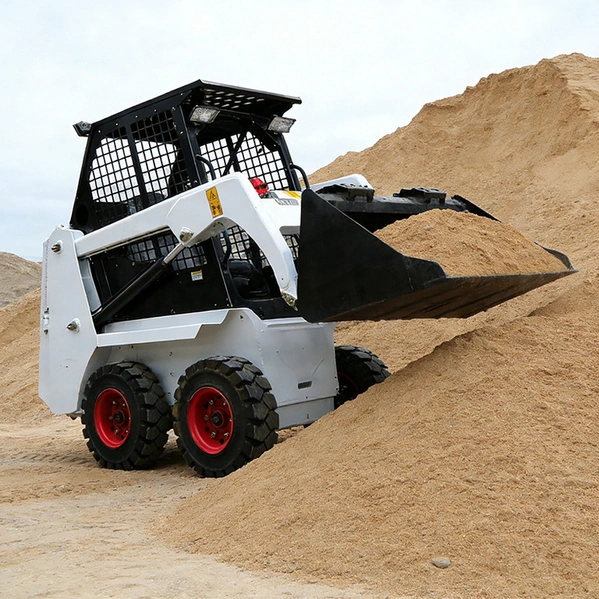
VII. Skid Steer Loaders: Versatile Compact Equipment with Unique Design and Global Market Differences
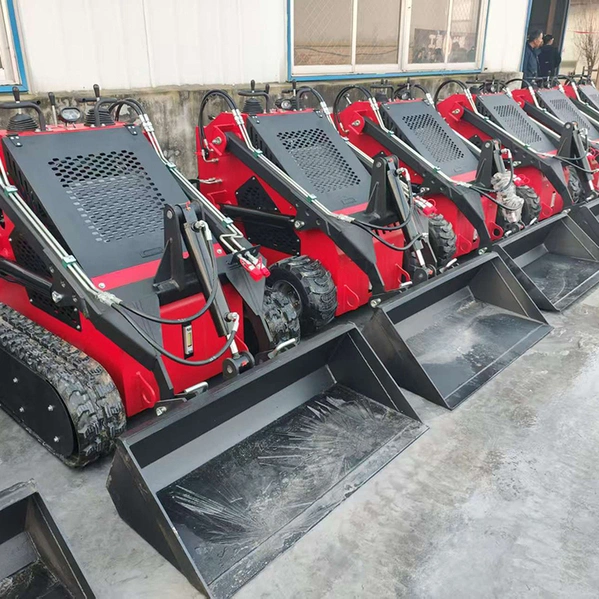
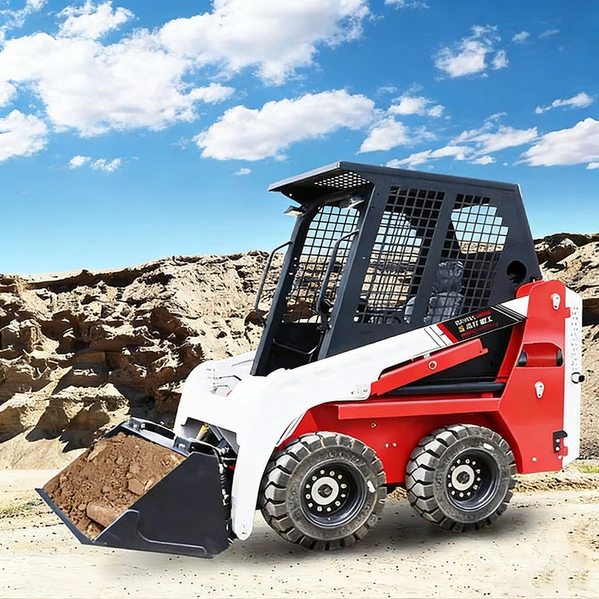
In the landscape of compact equipment, the skid steer loader reigns supreme. But ask a contractor in Atlanta what they need from their skid steer loader, and you’ll get a different answer than from a farmer in Bavaria. The North American and European markets, while both mature and robust, demand very different things from this versatile machine. Understanding these nuances is key to appreciating why the skid steer loader remains the indispensable tool it is today. While skid steer loaders are not widely adopted in China, they are by no means a new piece of equipment—foreign manufacturers have promoted them in the Chinese market for years, and numerous domestic companies have also produced them due to the low entry barrier. With their unique structure, distinctive travel method, and compatibility with a variety of attachments, skid steer loaders have established themselves as versatile workhorses across diverse job scenarios—from construction sites to agricultural operations.
1. The Unique Transmission System of Skid Steer Loaders
As a compact piece of equipment characterized by skid steering, the transmission method of a skid steer loader is one of its most distinctive features. Unlike traditional loaders, skid steer loaders rely on a specialized transmission system to achieve their signature maneuverability, with design evolutions over time refining both efficiency and simplicity.
A. Evolution of Transmission Methods
The transmission system of skid steer loaders has evolved significantly since their early development, adapting to advancements in hydraulic technology and industry needs:
- Early Transmission Systems: In the early days of skid steer loaders, hydraulic motors were not yet widespread. Instead, power was transmitted through drive shafts, paired with multiple sets of chains and gears, and supplemented by a braking system to control speed and direction. This design was functional but more complex and less efficient than modern alternatives.
- Modern Standard Transmission: Today, the vast majority of skid steer loaders use a configuration featuring one hydraulic motor on each side, which drives the two wheels on that side via a chain drive. By controlling the speeds of the two hydraulic motors to be different, the wheel speeds on each side also differ—enabling smooth steering. Reversing the direction of one or both motors can even achieve zero-turn (in-place) steering, a key advantage for working in tight spaces.
- Simplified Contemporary Design: The simplest and most common transmission method used today is a hydraulic motor directly driving a duplex sprocket. This streamlined design is adopted by major manufacturers worldwide, including Caterpillar, Zoomlion, and Volvo, offering a balance of reliability, efficiency, and ease of maintenance.
B. Manufacturer-Specific Design Variations
While the core transmission principle remains consistent, different manufacturers incorporate subtle design variations to optimize performance for specific use cases:
- Speed Reduction Mechanisms: Some manufacturers use a slightly more complex design, adding an extra set of chains for speed reduction, while others utilize a pair of gears to achieve the same goal. These modifications help tailor the machine’s torque and speed to different job requirements, such as heavy lifting or fast travel.
- Chain Tensioning Devices: Many manufacturers equip their skid steer loaders with chain tensioning devices (typically featuring two tensioning gears) to maintain optimal chain tightness. This reduces wear and tear on the chain drive system, extends component life, and ensures consistent performance over time.
- Hydraulic Circuit Design: The travel hydraulic system of a skid steer loader generally uses a dual-circuit closed-loop system. Because the hydraulic circuit is closed, the vehicle automatically brakes when it stops, eliminating the need for a separate service brake. However, some manufacturers still equip brake discs for the parking brake, adding an extra layer of safety when the machine is stationary.
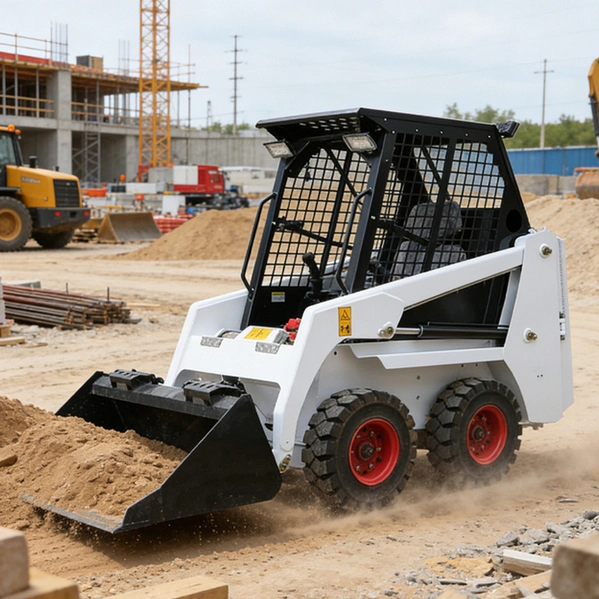
2. Wheeled vs. Tracked Skid Steer Loaders
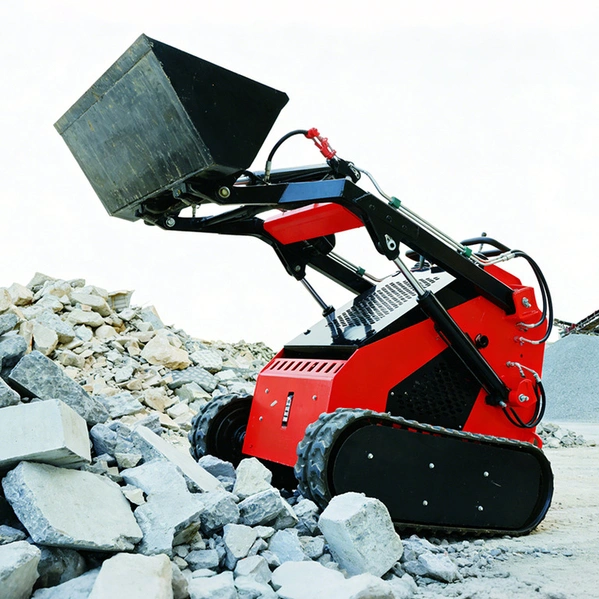
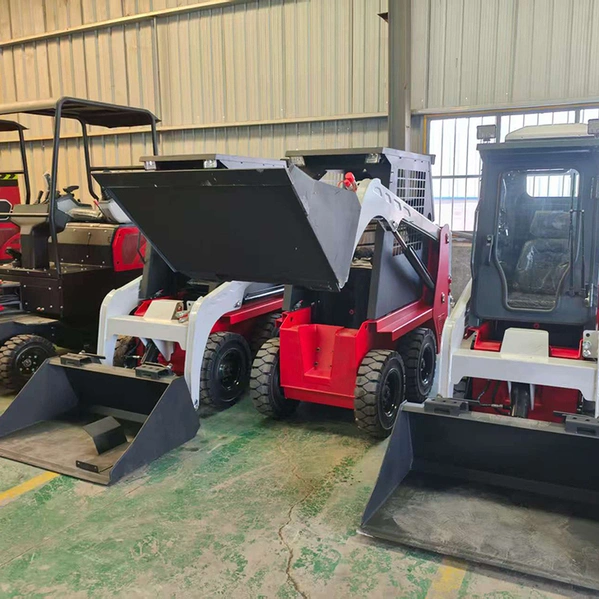
When most people refer to skid steer loaders, they typically think of the wheeled chassis variant. However, tracked chassis models are also classified as skid steer loaders—though manufacturers often market them as compact tracked loaders or multi-terrain tracked loaders. Despite the different chassis types, their internal structures are nearly identical:
- Structural Similarities: Tracked skid steer loaders share the same core components as their wheeled counterparts, including the hydraulic transmission system, engine, and attachment mounting points. The only key difference is the traveling device—tracks replace wheels, and the position of the hydraulic motors is adjusted slightly to accommodate the track system.
- Key Difference: Unlike wheeled skid steer loaders, tracked models do not require chains to drive the traveling mechanism, as the hydraulic motors directly power the track system. This makes tracked skid steer loaders better suited for soft, uneven, or muddy terrain, where wheels might sink or lose traction.
3. North American vs. European Market Demands: A Tale of Two Continents
From suburban driveways in the U.S. to alpine meadows in Europe, the demands for skid steer loaders vary dramatically across the Atlantic, shaped by regional infrastructure, regulations, and industry needs. These differences highlight the machine’s adaptability and why it remains a cornerstone of compact equipment worldwide.
A. The North American Appetite: Power, Versatility, and the Rental Market
In North America, the demand for skid steer loaders is fueled by a potent mix of new construction, infrastructure maintenance, and a deeply entrenched agricultural sector. The skid steer loader here is often viewed as the primary workforce—a rugged, powerful compact machine expected to handle a vast array of tasks with speed and efficiency.
One of the biggest drivers in the U.S. and Canada is massive replacement demand. Contractors consistently upgrade their fleets not just for higher performance, but also to meet increasingly stringent emission regulations. This creates a steady flow of new skid steer loader sales, as businesses prioritize cleaner, more efficient models.
The residential construction boom across North America has also cemented the skid steer loader’s place on job sites. From site preparation and grading to final landscaping, its ability to navigate tight, mud-prone suburban lots makes it invaluable. Furthermore, the skid steer loader is a workhorse for the agricultural community, used extensively for material handling, feed lot management, and general land maintenance.
A defining characteristic of the North American market is the sheer strength of its rental sector. For many small to medium-sized contractors, renting a skid steer loader is more economical than purchasing one outright. This means rental fleets demand highly durable, user-friendly skid steer loaders that can withstand abuse from a constant stream of different operators. This rental dominance, combined with high labor costs that encourage mechanization, ensures the skid steer loader remains a high-volume product across the continent.
B. The European Precision: Compactness, Regulation, and Specialization
Cross the Atlantic, and the demands placed on the skid steer loader shift subtly but significantly. The European market, while also valuing versatility, places a premium on compactness and precision—driven by the continent’s unique infrastructure: ancient city centers with narrow, cobblestone streets and strictly regulated work environments.
Here, the skid steer loader is less about brute force in open fields and more about finesse in confined spaces. It’s the ideal machine for municipal maintenance in historic towns, utility work in congested urban areas, and landscaping projects that demand minimal site disturbance. European operators need a skid steer loader that can be highly maneuverable without sacrificing power.
Environmental regulations in Europe are also a powerful force shaping demand. There is a strong push toward low-emission, fuel-efficient machinery, making the European market particularly receptive to technological advancements like electric skid steer loaders. These zero-emission, whisper-quiet machines are perfect for noise-sensitive urban projects, aligning with the continent’s sustainability goals.
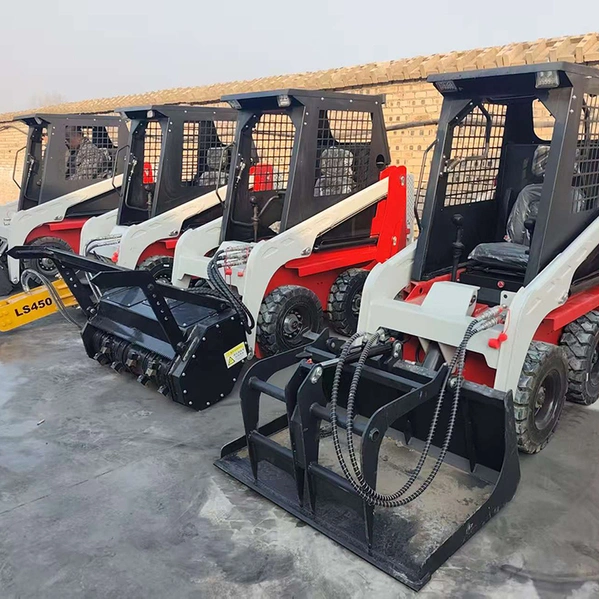
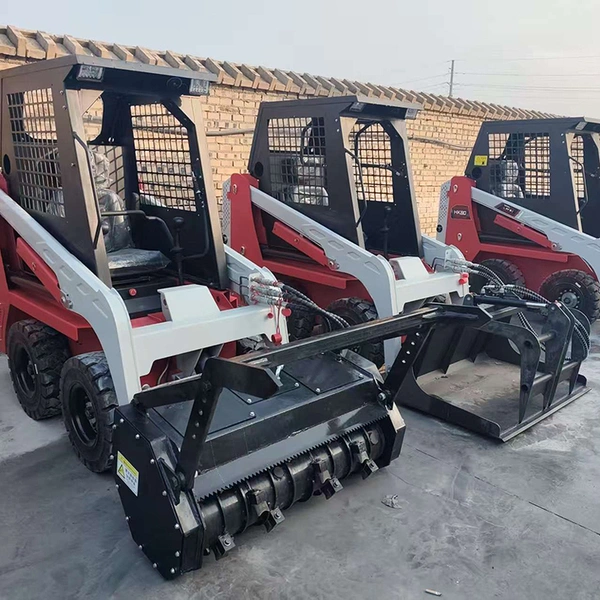
Furthermore, European customers often view the skid steer loader as a sophisticated tool carrier. The emphasis is on the machine’s ability to seamlessly integrate with a wide range of specialized attachments—from augers and planers to specialized grapples and sweepers—to perform multiple tasks with surgical precision. This focus on the “tool carrier” concept means the skid steer loader is seen as a complete solution rather than just a standalone piece of equipment.
4. The Common Thread: Versatility as the Core Appeal
Despite these regional differences, a universal truth binds the Atlantic markets: the skid steer loader is celebrated for its unparalleled versatility. In both North America and Europe, the machine’s true value is unlocked through its attachments—it is no longer just a loader, but a multi-functional platform.
On a North American highway project, a skid steer loader might be fitted with a cold planer for milling asphalt. Across the ocean, on a European farm, the very same model could be equipped with a stump grinder for land clearing. In a North American warehouse, it handles bulk material movement, while in a European city, it’s fitted with a snow blower to clear sidewalks.
This “multi-tasking” capability is the core of its appeal. The ability to switch from a bucket to a set of forks to a hydraulic breaker in minutes makes the skid steer loader an incredibly cost-effective asset, reducing the need for a fleet of single-purpose machines.
5. Looking Ahead: Smarter, Cleaner, and More Connected
The future demand for skid steer loaders on both sides of the Atlantic is being shaped by powerful technological trends. Operators and fleet managers are increasingly demanding machines that are not only powerful but also smart, sustainable, and connected.
- Advanced Hydraulics and Performance: There is a growing demand for skid steer loaders with advanced high-flow hydraulic systems. This allows the machine to power more demanding attachments, further expanding its capabilities and making it a more effective tool for heavy-duty tasks.
- The Rise of the Electric Skid Steer Loader: Sustainability is no longer a niche concern. The push for electric skid steer loaders is gaining serious momentum, driven by the need to reduce job site carbon footprints and comply with urban noise and emission regulations. This trend is particularly strong in Europe but is rapidly gaining ground in North America as well.
- Technology Integration: The modern skid steer loader is becoming a connected device. Telematics integration allows fleet owners to remotely monitor machine location, health, and performance, optimizing maintenance schedules and improving overall job site efficiency. Additionally, advancements in operator comfort and safety—such as sealed cab environments with ergonomic controls and enhanced visibility—are increasingly becoming standard features that influence purchasing decisions.
6. Challenges to Widespread Adoption in China
Despite their versatility and proven performance, skid steer loaders have not yet been widely adopted in China. This is primarily due to two key constraints: the high cost of hydraulic components, which increases the overall price of the machine, and the lack of diverse attachments available in the market. These factors limit the machine’s adaptability to different job scenarios and make it less cost-effective for many Chinese operators. However, as hydraulic technology advances and attachment options expand, the widespread adoption of skid steer loaders in China is expected to grow over time.
7. Are Remote-Controlled Skid-Steer Loaders Easy to Operate? A Comprehensive Breakdown
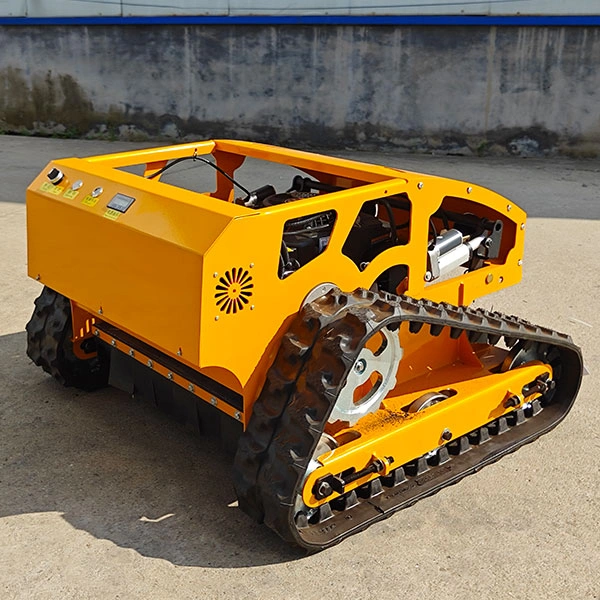
In construction, mining, municipal maintenance, and other similar scenarios, remote-controlled skid-steer loaders have emerged as popular equipment, thanks to their core advantages: remote operation capability, adaptability to confined spaces, and the ability to replace manual labor in high-risk environments. For operators, equipment purchasers, and site managers, one of the most pressing questions is: Are remote-controlled skid-steer loaders easy to operate? The short answer is yes—they feature an overall low learning curve, making them easy for beginners to master. They are more convenient to operate than traditional ride-on skid-steer loaders, and operators can work independently after just a short training period. Below is a detailed analysis from the perspectives of control design, learning curve, practical operating experience, and key precautions.
A. Minimalist Control System Design: Easy to Master Even for Beginners
The operating logic of remote-controlled skid-steer loaders is entirely designed to simplify processes and reduce complexity. The core control component is a portable wireless joystick, which eliminates the complex steering wheel, gearshift lever, and multiple control buttons typically found in a traditional cab—resulting in an intuitive, easy-to-understand operating system that minimizes confusion.
- Ergonomic Controller Layout: Most remote control units feature an ergonomic design, with frequently used functions—forward, reverse, steering, bucket elevation, and attachment switching—concentrated within easy reach of the fingertips. Buttons and joysticks are clearly labeled for quick identification: the left joystick typically controls machine movement and steering, while the right joystick manages the working equipment. This clear division of responsibilities prevents operational errors and reduces the learning burden for beginners.
- No Complex Driving Skills Required: Unlike driving a car or operating a traditional ride-on loader, there is no need to master the coordination of clutch, throttle, and brakes, nor is it necessary to worry about blind spots or precise steering angle control. A simple push or tilt of the joystick allows for 360° in-place turning—a core feature of skid-steer loaders. Remote operation enables even more precise control, allowing beginners to master the machine without any prior driving or heavy equipment experience.
- Intelligent Assist Functions Reduce Errors: Most modern models are equipped with practical intelligent features to enhance ease of operation and safety, including accidental-touch lock buttons, signal stabilization systems, and low-speed fine-tuning modes. Accidental button presses will not trigger equipment movements, preventing unintended operations. Signal latency is extremely low (mainstream models have a latency of ≤0.5 seconds), ensuring smooth, responsive control. The fine-tuning mode enables precise operations—such as material loading and unloading or maneuvering in tight spaces—where a gentle nudge of the joystick controls the equipment’s movement range with precision, significantly reducing operational difficulty.
B. Extremely Low Learning Curve: Operators Can Work Independently in a Short Time
Compared to traditional construction machinery, which often requires days or even weeks of training, remote-controlled skid-steer loaders offer extremely high learning efficiency, enabling rapid training and quick proficiency— a key advantage for busy job sites.
- Short Training Cycles for All Skill Levels: For individuals with no prior experience operating construction machinery, 1–2 days of combined theoretical and hands-on training is sufficient to master basic operating procedures, safety protocols, and simple operational techniques. For those with prior experience operating construction machinery (such as traditional loaders or excavators), it takes only 30 minutes to an hour to familiarize themselves with the joystick controls and quickly perform basic operations.
- Standardized, Streamlined Operating Procedures: The workflow for remote-controlled skid-steer loaders is simplified to four core steps: Power on and self-check → Connect remote control → Perform operations → Shut down and power off. There are no cumbersome intermediate steps. Additionally, the equipment features built-in fault self-diagnosis; if an anomaly occurs during operation, it will immediately prompt the operator with clear instructions. Operators do not need specialized maintenance knowledge—they simply follow the prompts to resolve minor issues, further reducing operational complexity.
- No On-Site Supervision Needed, Reducing Operational Stress: Traditional ride-on skid-steer loaders require operators to sit in the cab, focusing on the machine’s posture and surrounding environment for extended periods, which can lead to fatigue and reduced precision. Remote control operation allows operators to control the machine from a safe distance, providing a wider field of view and reducing physical strain. Even during prolonged operations, fatigue does not compromise operational precision, making the machine easier and less stressful to operate.
C. Variations in Operating Difficulty Across Scenarios: Complex Conditions Require Minimal Skill Enhancement
The difficulty of operating a remote-controlled skid-steer loader varies slightly depending on the work scenario, but overall, it remains relatively easy to learn. Even complex scenarios require only minor skill adjustments rather than a complete re-learning of the system.
- Basic Scenarios: Common tasks such as site leveling, material handling, and clearing confined spaces are straightforward, requiring only control of machine movement and bucket elevation. After initial training, beginners can perform these tasks independently. These are the most common and simplest operational scenarios for remote-controlled skid-steer loaders.
- Complex Scenarios: Tasks in underground mines, flammable and explosive environments, or high-precision attachment operations require extra attention to safety protocols and attachment handling details. For example, when switching attachments (such as hydraulic breakers or log grapples), operators only need to familiarize themselves with the corresponding control buttons—there is no need to relearn the entire operating procedure. With simple advanced training, personnel proficient in basic operations can quickly adapt to these complex scenarios, with no technical barriers to overcome.
- Remote/Unmanned Operations: Some high-end models support semi-automatic operation modes. After presetting the work path, the equipment can autonomously complete certain repetitive processes, requiring the operator only to monitor the equipment’s status and intervene in emergencies. This further reduces the difficulty of operation and frees up operators to focus on other tasks.
D. Key Precautions: Not Entirely “No-Skill Required”
While remote-controlled skid-steer loaders are easy to operate, they are not entirely “no-skill required.” Mastering basic precautions is essential for safer, more efficient operation and to prevent equipment damage or safety incidents.
- Formal Training Is Mandatory: Operators must complete formal training to familiarize themselves with equipment safety procedures, remote control signal protocols, and emergency shutdown procedures. Unauthorized operation must be strictly prohibited to prevent safety incidents caused by operational errors.
- Understand the Equipment’s Capabilities: Operators should be fully aware of the machine’s load capacity, turning radius, and remote control range. Operating beyond the equipment’s specifications can lead to damage or accidents, so precise control within the machine’s limits is critical.
- Pay Close Attention to the Work Environment: While remote operation keeps operators away from direct danger, it is still essential to inspect the job site in advance to identify obstacles, falling object risks, and other potential hazards. Operators must maintain a clear line of sight with the machine at all times to avoid blind operation.
E. Conclusion: Highly Easy to Operate, Suitable for All Operator Types
In summary, remote-controlled skid-steer loaders are extremely easy to operate construction equipment. Thanks to their minimalist remote control design, intuitive operating logic, and extremely short training period, they can be quickly mastered by a wide range of users—from complete beginners and general laborers to experienced construction equipment operators. Compared to traditional ride-on equipment, they eliminate the need for complex driving skills, reduce physical exertion and safety risks, while maintaining high operational precision. In short, remote-controlled skid-steer loaders are “easy to operate, highly efficient, and safe”—an ideal choice for modern job sites.
These tips—covering purchase, operations, safety, management, maintenance (including winter care), North American mini excavator market trends, and skid steer loader insights (including remote-controlled models and global market differences)—are foundational for running a successful mini excavator business. To thrive in this industry, you’ll need to stay adaptable, prioritize safety and quality, and align your strategy with market demands. With the right approach and attention to detail, your mini excavator business can become a reliable, profitable venture.