 จงกง การผลิต





เคล็ดลับการบำรุงรักษาช่วงฤดูร้อนสำหรับรถขุดขนาดเล็ก
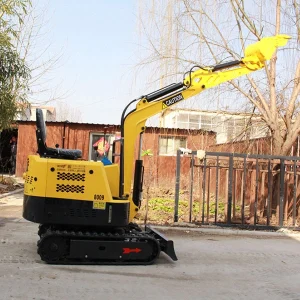
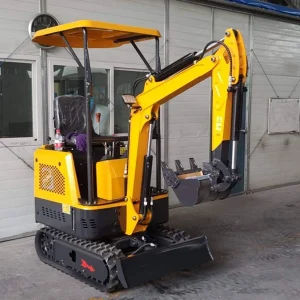
เมื่อเข้าสู่ช่วงที่อากาศร้อนจัด บรรยากาศก็กลายเป็นร้อนระอุอย่างมาก. Small รถขุดs also need to be properly “lightened” under high temperatures. Excessive ambient and operating temperatures can significantly affect the service life and work efficiency of a small excavator. Only at appropriate operating temperatures can a รถขุดขนาดเล็ก เพื่อให้ได้ประสิทธิภาพสูงสุดและยืดอายุการใช้งานให้นานขึ้น ด้านล่างนี้คือผลกระทบของอุณหภูมิสูงในฤดูร้อนต่ออุปกรณ์และจุดบำรุงรักษาที่สำคัญ โดยเน้นที่ รถขุดขนาดเล็ก.
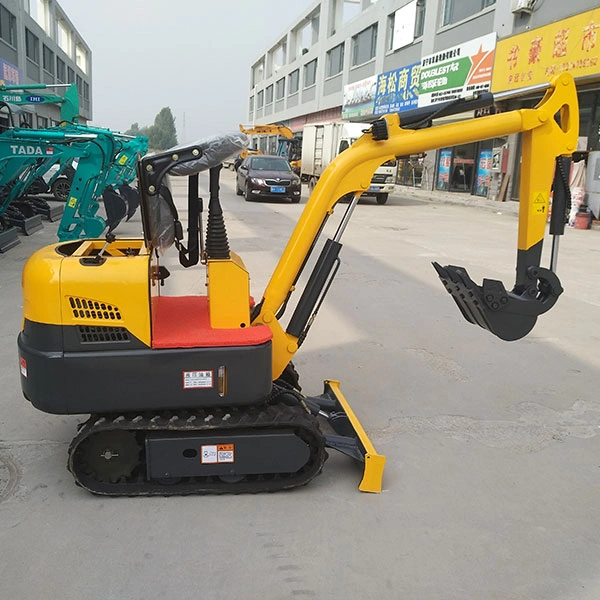
ระบบระบายความร้อนเครื่องยนต์
ยกตัวอย่างเช่น รถขุดขนาดเล็กซีรีส์ Wacker Neuson น้ำยาหล่อเย็นมีอายุการใช้งาน 1,000 ชั่วโมงหรือหนึ่งปี และต้องเปลี่ยนตามกำหนดเวลา เมื่อเครื่องยนต์ทำงานที่อุณหภูมิสูง การระบายความร้อนจะอาศัยน้ำยาหล่อเย็นเป็นหลัก โดยมีพัดลมเป็นตัวเสริม สารป้องกันในน้ำยาหล่อเย็นเป็นสารเคมี การใช้เป็นเวลานานจะลดประสิทธิภาพการระบายความร้อนลงอย่างมากผู้ใช้บางรายเติมน้ำประปาเพื่อความสะดวก แต่เมื่ออุณหภูมิสูง น้ำจะก่อตัวเป็นตะกรันที่อุดตันช่องระบายความร้อน ทำให้การระบายความร้อนไม่ดี และอาจทำให้เครื่องยนต์เสียหายได้ ดังนั้น ควรใช้น้ำยาหล่อเย็นที่เหมาะสมในฤดูร้อนเสมอ ห้องเครื่องยนต์ของ รถขุดขนาดเล็ก มีขนาดค่อนข้างกะทัดรัด ทำให้การระบายความร้อนขึ้นอยู่กับการใช้น้ำหล่อเย็นคุณภาพสูงเป็นอย่างมาก—ห้ามลดคุณภาพเด็ดขาด.
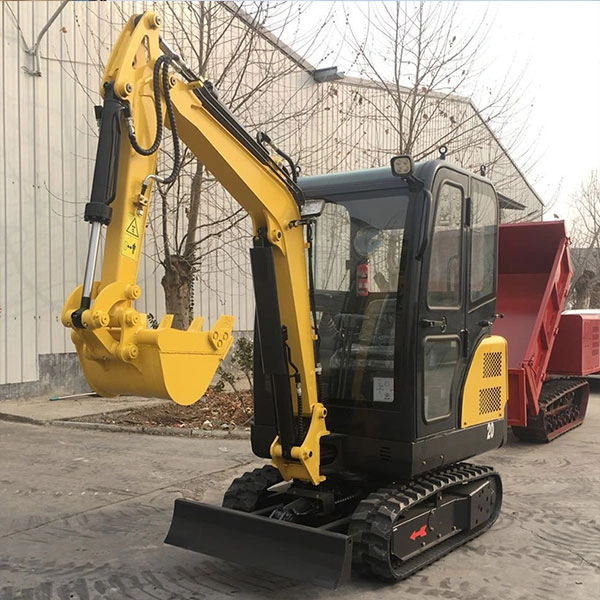
สายพานพัดลมและการทำความสะอาดเครื่องยนต์
ตรวจสอบสายพานพัดลมทุกวัน หากสายพานหลวมเกินไป ความเร็วของพัดลมจะไม่เพียงพอ ส่งผลต่อการระบายความร้อนของเครื่องยนต์ภายนอก ควรเปลี่ยนสายพานเป็นระยะหากจำเป็น การระบายความร้อนของเครื่องยนต์มีความสำคัญอย่างยิ่งในฤดูร้อน การสะสมของน้ำมันหรือฝุ่นละอองบนพื้นผิวภายนอกเครื่องยนต์อาจขัดขวางการระบายความร้อนได้ การทำความสะอาดพื้นผิวภายนอกเครื่องยนต์เป็นประจำจะช่วยเพิ่มประสิทธิภาพการระบายความร้อน สำหรับ รถขุดขนาดเล็ก ที่มักทำงานในสภาพแวดล้อมที่มีฝุ่นละออง การรักษาความสะอาดภายนอกของเครื่องยนต์จึงมีความสำคัญเป็นพิเศษ.
การตรวจสอบแผงควบคุม
รถขุดขนาดเล็กทุกคันมีมาตรวัดอุณหภูมิน้ำบนแผงหน้าปัดที่แสดงอุณหภูมิของน้ำหล่อเย็นแบบเรียลไทม์ หากเข็มชี้เข้าเขตสีแดงและไฟแสดงสถานะพร้อมเสียงสัญญาณดังขึ้น แสดงว่าน้ำหล่อเย็นร้อนเกินไป ในกรณีนี้ ให้ปล่อยให้เครื่องยนต์เดินเบาจนกว่าอุณหภูมิจะลดลงและไฟดับ จากนั้นดับเครื่องยนต์ทันทีตรวจสอบระดับน้ำหล่อเย็นและเติมเพิ่มหากจำเป็น แต่ห้ามเปิดฝาหม้อน้ำโดยเด็ดขาด ภายใต้ความร้อนสูง น้ำหล่อเย็นจะมีความดัน การเปิดฝาหม้อน้ำอาจทำให้เกิดการเผาไหม้ได้ การใช้งานที่ไม่ถูกต้องอาจทำให้เครื่องยนต์เสียหายได้ ระบบหล่อเย็นของ รถขุดขนาดเล็ก มีขนาดกะทัดรัดและร้อนขึ้นได้รวดเร็ว ดังนั้นผู้ปฏิบัติงานต้องระวังสัญญาณเตือนอุณหภูมิอยู่เสมอ.
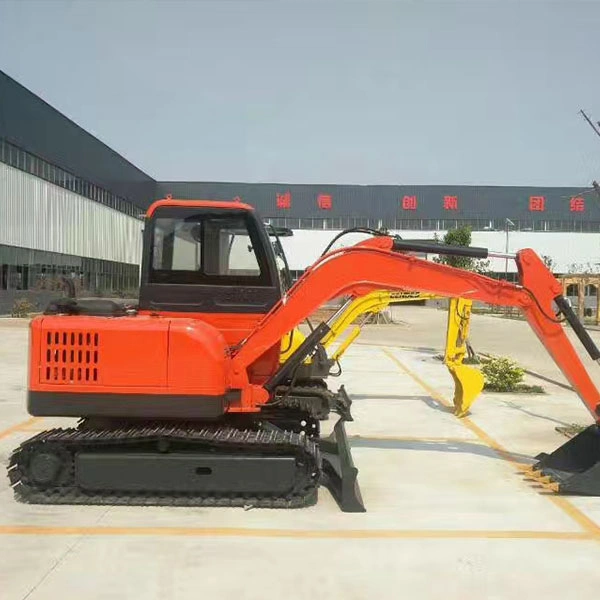
หม้อน้ำภายนอกและใบพัดพัดลม
ตรวจสอบระบบระบายความร้อนทุกวัน และทำความสะอาดหม้อน้ำตามความจำเป็น ในสภาพแวดล้อมที่มีฝุ่นหรือมลพิษ การทำความสะอาดต้องทำบ่อยกว่าที่ระบุไว้ในตารางการบำรุงรักษา หากไม่ทำความสะอาดหม้อน้ำเป็นประจำ จะทำให้การระบายความร้อนไม่เพียงพอ อุณหภูมิของน้ำหล่อเย็นสูงผิดปกติ กำลังเครื่องยนต์ลดลง ประสิทธิภาพการทำงานต่ำลง และอาจเกิดความเสียหายต่อเครื่องยนต์ได้ นอกจากนี้ ให้ตรวจสอบใบพัดลมเป็นประจำในรถขุดขนาดเล็กที่ใช้งานในสภาพที่รุนแรง ใบพัดของพัดลมอาจเสียหายหรือหายไป ส่งผลให้อากาศไหลเวียนไม่เพียงพอและระบบระบายความร้อนทำงานได้ไม่ดี หากใบพัดแสดงอาการเสื่อมสภาพ ควรเปลี่ยนใหม่ทันทีเพื่อป้องกันไม่ให้ใบพัดที่แตกหักหลุดออกขณะใช้งานและก่อให้เกิดความเสียหายต่อเครื่องยนต์หรือหม้อน้ำ ซึ่งอาจนำไปสู่ความสูญเสียที่ไม่จำเป็น หม้อน้ำของ รถขุดขนาดเล็ก มักจะถูกจัดเรียงอย่างแน่นหนาและมีแนวโน้มที่จะสะสมเศษซาก—ควรให้ความสนใจเป็นพิเศษกับการอุดตันระหว่างครีบระหว่างการทำความสะอาด.
350
ส่งเพื่อขอคำปรึกษา
เราจะตอบกลับคุณภายใน 24 ชั่วโมง