












- Home
- Knowledge
- Engines & Emission Standards
- Emission Standards: What Tier 4 Final Changes
Emission Standards: What Tier 4 Final Changes
An emission stage changes more than the exhaust: aftertreatment, fuel quality, service intervals and machine packaging all move with it together.
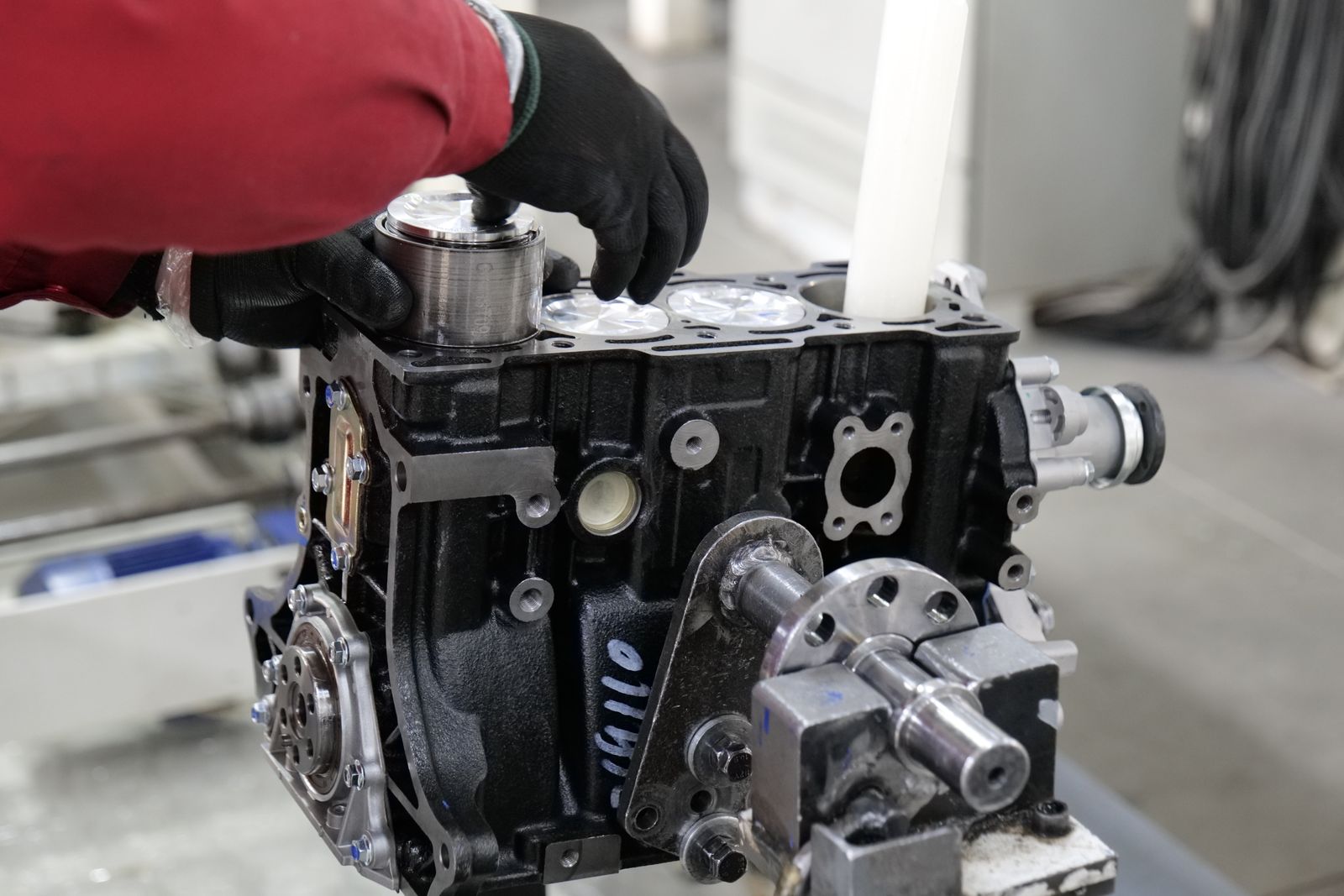
An emission stage changes more than the exhaust pipe. Moving from a lower tier to Tier 4 Final or Stage V adds aftertreatment hardware, raises the heat load in the engine bay, changes service intervals and, in many markets, determines whether the machine may be imported at all.
1Why it matters
Buyers compare engines on power and fuel, then discover the aftertreatment needs low-sulphur fuel and a taller canopy, or that the destination market will not register a machine built to an older stage. The engine is the part of a machine most tightly bound to regulation.
2What changes with the stage
| Change | Effect on the machine |
|---|---|
| Diesel particulate filter | Space, regeneration cycle, backpressure |
| Selective catalytic reduction | DEF tank, dosing, freeze protection |
| Higher injection pressure | Fuel quality sensitivity |
| Heat rejection | Larger cooling package, taller canopy |
| Service intervals | Shorter oil intervals during regeneration cycles |
3Matching stage to market
| Market | Typical requirement | Note |
|---|---|---|
| EU | Stage V | Registration tied to stage |
| US | Tier 4 Final | Flexibility rules for some categories |
| Many export markets | Stage II/III acceptable | Check national rules |
| Ports and cities | Local low-emission zones | May exceed national rules |
4Where emission decisions go wrong
- Ordering the cheapest stage for a regulated market. Registration is refused at the port.
- Ignoring fuel quality. High-sulphur fuel damages aftertreatment and voids warranty.
- No space for the DEF tank. Packaging is decided late and the tank is mounted awkwardly.
- Assuming service intervals stay the same. Aftertreatment changes the maintenance plan.
5Numbers to fix before you enquire
| Item | Range | Effect |
|---|---|---|
| Destination market | EU / US / other | Required stage |
| Engine power | 19–560 kW | Stage thresholds |
| Fuel sulphur | 10–2,000 ppm | Aftertreatment compatibility |
| Operating hours | 500–6,000 h/yr | Service plan |
6Tools & next
Send the destination and the engine power band; we will return the applicable stage and the packaging implications. Related reading: how to read a datasheet, and what certification marks cover.
Key facts. An emission stage changes the whole machine, not only the exhaust. Tier 4 Final and Stage V add diesel particulate filters and selective catalytic reduction, which require space, a DEF tank with freeze protection, additional heat rejection and often a taller canopy. Higher injection pressures make the engine sensitive to fuel quality, and high-sulphur fuel can damage aftertreatment and void warranty. Service intervals change because regeneration cycles affect oil life. The stage is also a market-access requirement: the EU ties registration to Stage V, the US uses Tier 4 Final with flexibility provisions for some categories, while many export markets still accept Stage II or III. Local low-emission zones can exceed national rules at ports and in cities. This article covers emission stage implications only; it does not cover type approval procedures or retrofit solutions.
—
Published 25 November 2026 · 3 min read · Knowledge column.
On this page
Need this checked against your site?
Send the working condition, the quantity and the destination port. The desk answers with a written specification and a traceable price — not a brochure.