












- Home
- Knowledge
- New, Used & Remanufactured Machines
- New, Used or Rebuilt: What the Label Hides
New, Used or Rebuilt: What the Label Hides
Three labels cover very different machines: new, used and remanufactured. What each one legally and practically means decides the price you should pay.
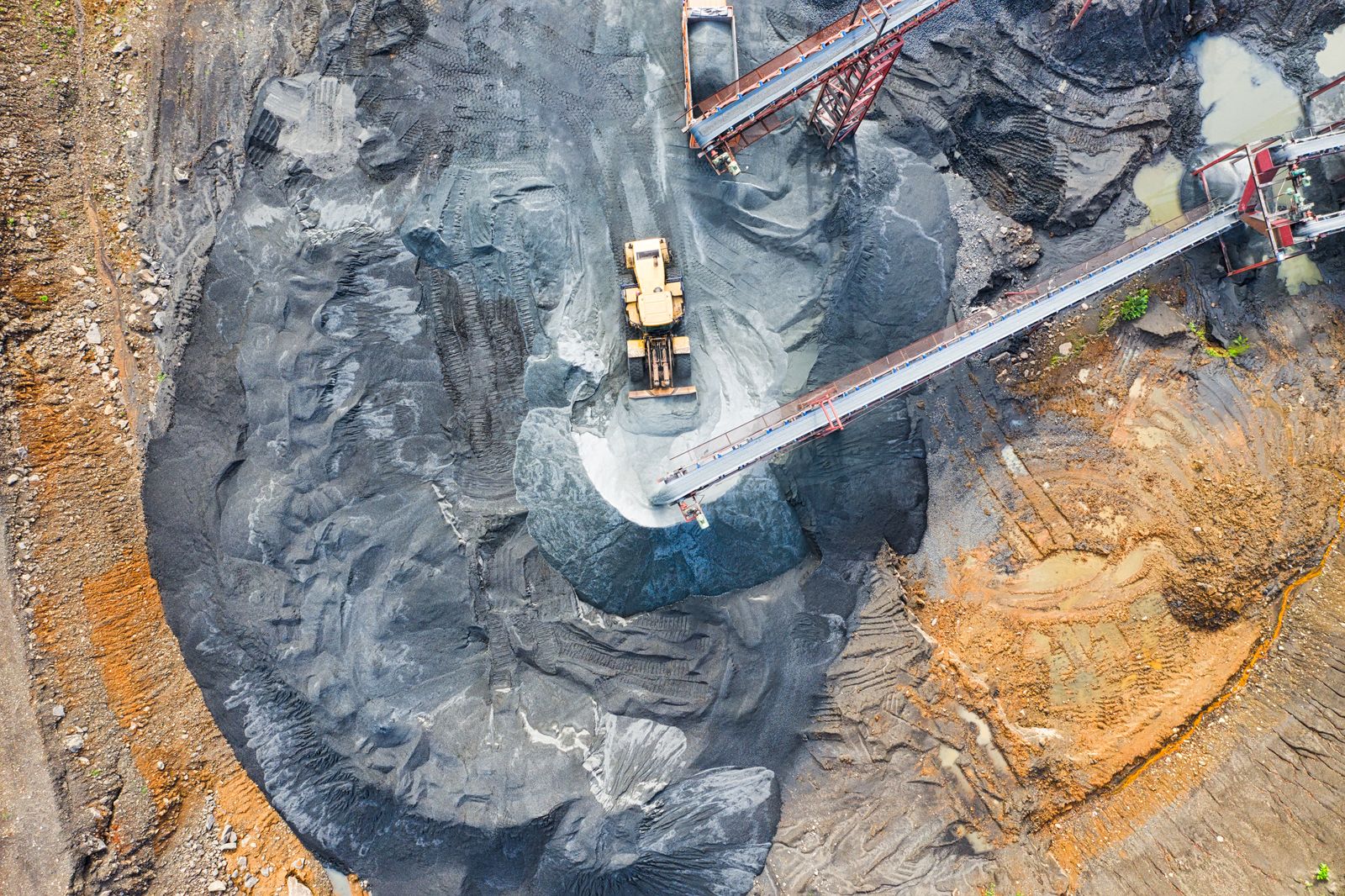
Three labels, three very different objects. New means unused and under manufacturer warranty. Used means as-is, with whatever hours and history it carries. Remanufactured means dismantled, inspected, and rebuilt to a stated scope — and the scope is the only thing that makes the word meaningful.
1Why it matters
Price differences of 40–60% between these categories are normal. They are justified only when the scope behind the label is known. A “rebuilt” machine with new paint and a steam clean is a used machine; a remanufactured one has documented replacement of wear components and a test record.
2What each label should mean
| Label | Hours | Wear parts | Warranty |
|---|---|---|---|
| New | 0–50 | Original | Full term |
| Used | Actual, disclosed | As found | Limited or none |
| Remanufactured | Reset toward zero | Replaced to scope | Rebuilt-unit term |
| Repaired | Actual | Only failed items | Repair only |
3Documents that turn a label into a fact
| Document | What it proves |
|---|---|
| Hour meter photograph | Actual running hours |
| Service history | Maintenance discipline |
| Rebuild scope list | What was replaced |
| Test report after rebuild | Performance restored |
| Original nameplate | Model and year |
4Where the labels mislead
- “Rebuilt” without a scope list. Paint is not a rebuild.
- Hour meters disconnected. Common on used machines; check against wear.
- Warranty excluded for used units. Confirm in writing or price the risk.
- Parts availability ignored. A 15-year-old model may be unsupportable.
5Numbers to fix before you enquire
| Item | Range | Effect |
|---|---|---|
| Operating hours | 500–20,000 h | Remaining life |
| Rebuild scope | Repair to full | Value |
| Parts availability | 5–20 years | Support risk |
| Price ratio | 40–60% of new | Justification |
6Tools & next
Send the listing and the hour meter photograph; we will return the questions that separate rebuild from repaint. Related reading: wear parts in tonnes, and what pre-shipment inspection covers.
Key facts. New, used, remanufactured and repaired describe materially different machines, and the price gap of 40–60% is justified only when the scope behind the label is documented. New machines have near-zero hours, original wear parts and full warranty. Used machines are sold as found with disclosed or undisclosed hours and limited warranty. Remanufactured units are dismantled, inspected and rebuilt to a stated scope with replaced wear components and a test record, and the scope list is what makes the term meaningful. A repaired unit has only failed items addressed. Hour meter photographs, service history and rebuild scope lists convert a label into a fact; disconnected hour meters are common on used equipment and should be cross-checked against visible wear. This article covers condition categories only; it does not cover valuation, import rules for used machinery or certification of rebuilt units.
—
Published 25 November 2026 · 3 min read · Knowledge column.
On this page
Need this checked against your site?
Send the working condition, the quantity and the destination port. The desk answers with a written specification and a traceable price — not a brochure.