












- Home
- Knowledge
- Hydraulic Systems & Attachment Matching
- Attachment Matching: Flow, Pressure and Duty
Attachment Matching: Flow, Pressure and Duty
An attachment is a hydraulic consumer, not an accessory. Flow, pressure, duty cycle and mounting decide whether it works and how long it lasts.
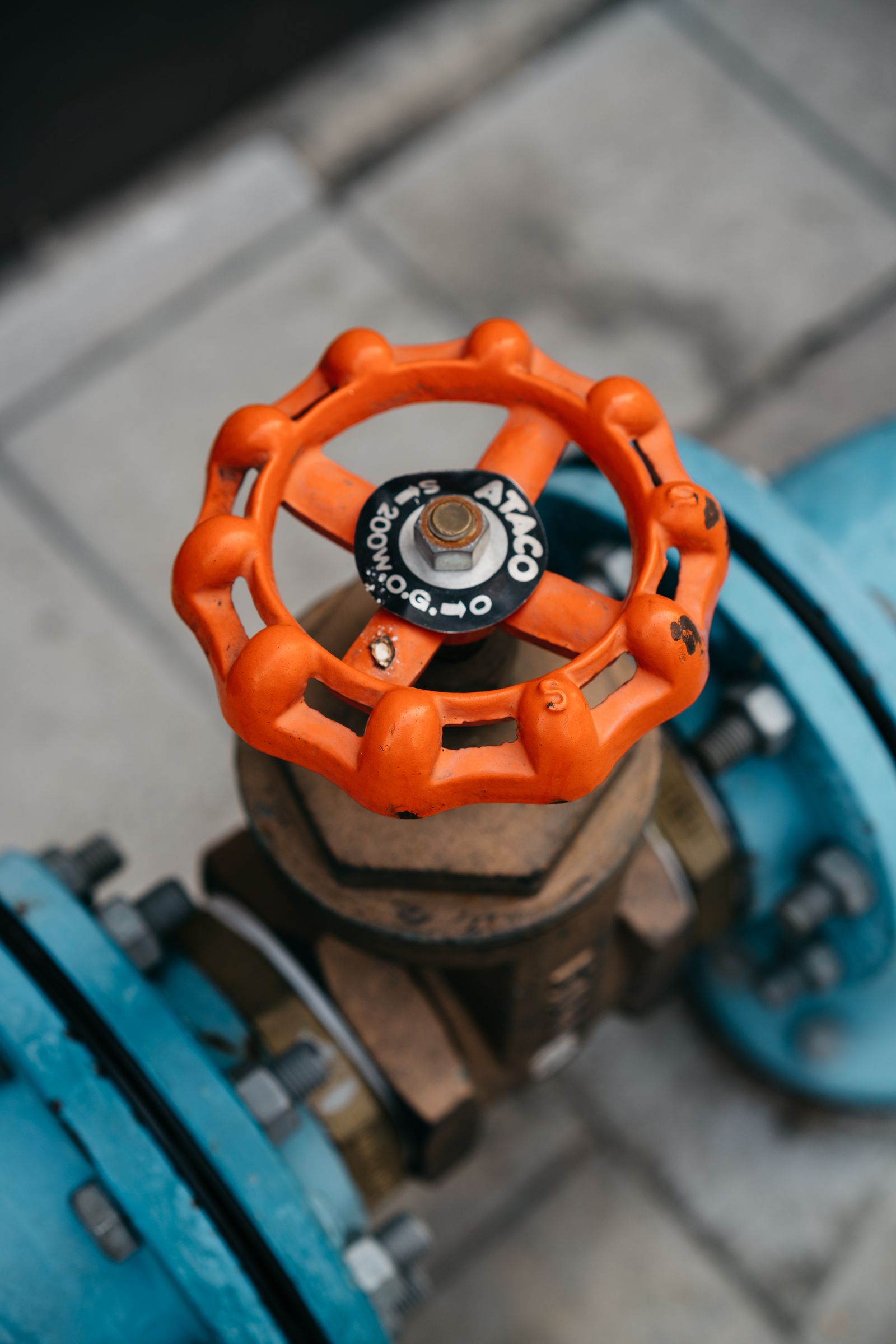
An attachment is a hydraulic consumer, not an accessory. Four numbers decide whether it performs: flow in litres per minute, working pressure, duty cycle, and the mounting geometry. Get the first two wrong and the tool runs slow or hot; get the last two wrong and it cracks.
1Why it matters
Buyers specify an attachment by weight class and bracket, then discover the carrier’s auxiliary circuit supplies 120 L/min where the breaker needs 180. The tool still works — at 60% of its rated blows per minute, with oil temperature climbing. That is not a warranty case; it is a mismatch at specification.
2The four numbers
| Number | Where to find it | Typical range |
|---|---|---|
| Flow | Carrier auxiliary circuit | 60–300 L/min |
| Pressure | Relief setting on the circuit | 200–350 bar |
| Duty cycle | Attachment rating | 30–100% |
| Mounting | Pin diameter, width, centres | Per carrier class |
3What happens when they mismatch
| Mismatch | Symptom |
|---|---|
| Too little flow | Slow cycle, heat build-up |
| Too much flow | Over-speed, seal damage |
| Pressure too low | Tool stalls under load |
| Duty cycle exceeded | Cracking at the bracket |
4Where attachments go wrong
- Sizing by carrier weight only. The circuit, not the tonnage, drives the tool.
- No return-line filtration. Contamination from the attachment enters the carrier.
- Ignoring duty cycle. A 100% rated breaker on a 40% rated circuit overheats.
- Mounting adapted with spacers. Geometry changes load paths and cracks welds.
5Numbers to fix before you enquire
| Item | Range | Effect |
|---|---|---|
| Carrier class | 3–40 t | Flow and mounting |
| Auxiliary flow | 60–300 L/min | Tool performance |
| Working pressure | 200–350 bar | Stall margin |
| Attachment duty | 30–100% | Life |
6Tools & next
Send the carrier model and the intended attachment; we will return the flow and pressure requirement with the circuit check. Related reading: how to read key specifications, and choosing a machine for a confined site.
Key facts. An attachment must be matched as a hydraulic consumer on four numbers: auxiliary flow in litres per minute, working pressure, duty cycle rating and mounting geometry. Insufficient flow makes the tool run slowly and heats the oil; excess flow over-speeds it and damages seals; low pressure causes stalling under load; exceeding the duty cycle cracks brackets. Sizing by carrier weight class alone is the most common error, because the auxiliary circuit rather than the machine tonnage sets tool performance. Return-line filtration matters because contamination from the attachment enters the carrier’s hydraulic system. Mounting geometry adapted with spacers changes load paths and commonly leads to weld cracking. This article covers attachment matching only; it does not cover hydraulic system design, hose selection or operator training.
Safety: pressurized hydraulic systems store energy; depressurize before work and never search for leaks with hands. Figures are for planning only.
Published 25 November 2026 · 3 min read · Knowledge column.
On this page
Need this checked against your site?
Send the working condition, the quantity and the destination port. The desk answers with a written specification and a traceable price — not a brochure.