












- Home
- Knowledge
- Budget & Landed-Cost Breakdown
- Budgeting a Machine: Five Lines Beyond the Price
Budgeting a Machine: Five Lines Beyond the Price
A machine budget needs five lines beyond the invoice: freight and duty, installation, spares, and the cost of the ramp-up period when output is below rated.
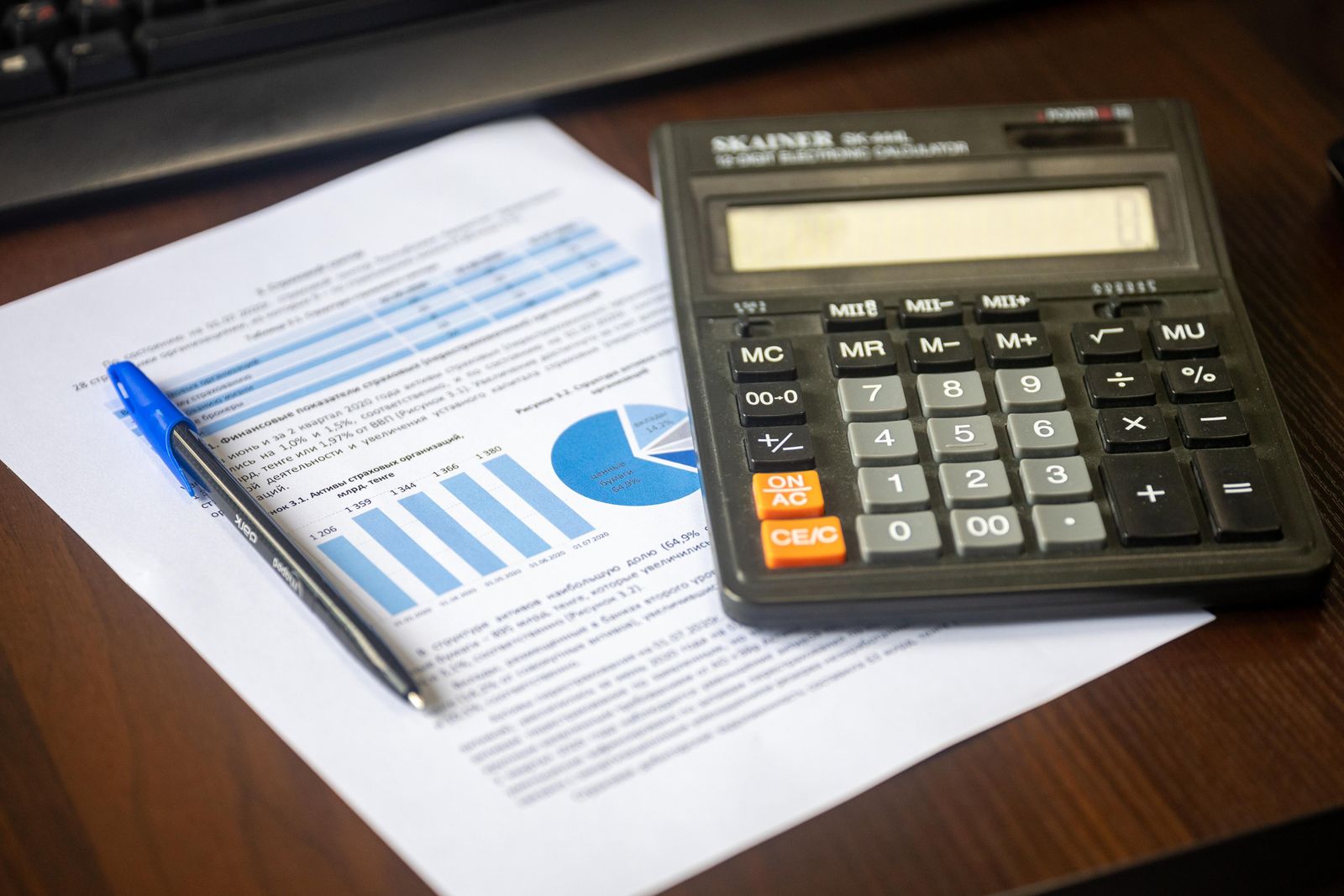
A machine budget that stops at the invoice is short by roughly a third. Five lines sit beyond it: freight and duty, installation and foundation, spares and first service, the ramp-up period, and the cost of capital tied up while the machine waits.
1Why it matters
Approval usually fails at the second revision, when the finance team discovers the installation is not included. Building the five lines into the first submission avoids the delay, and it exposes the one line that is usually underestimated: the ramp-up period, when the machine runs below capacity but the costs are already full.
2The five lines
| Line | Typical share of invoice | Notes |
|---|---|---|
| Freight, insurance, duty | 15–35% | See landed cost order |
| Foundation and installation | 5–20% | Civil works can dominate |
| Spares and first service | 3–8% | Wear parts and consumables |
| Ramp-up (under-utilisation) | 5–15% | Weeks at partial output |
| Working capital | 1–5% | Deposit to first output |
3What makes each line move
| Line | Biggest driver |
|---|---|
| Freight and duty | Dimensions, HS code, Incoterm |
| Foundation | Soil conditions, anchor design, power upgrade |
| Spares | Abrasion, shift pattern |
| Ramp-up | Operator learning, feed variability |
| Capital | Payment milestones and lead time |
4Where budgets go wrong
- Invoice only. Approval returns at revision two.
- Foundation treated as a rounding error. Civil works on poor ground can exceed the machine.
- No ramp-up allowance. The first month is never at rated output.
- Power upgrade forgotten. A larger supply is a capital item, not a utility bill.
5Numbers to fix before you enquire
| Item | Range | Effect |
|---|---|---|
| Invoice value | — | Base |
| Foundations | 5–20% | Civil cost |
| Ramp-up weeks | 2–12 | Lost output |
| Spares | 3–8% | Uptime |
| Payment split | 20–50% deposit | Capital |
6Tools & next
Send the invoice value and the site conditions; we will return a five-line budget with the drivers marked. Related reading: how to calculate landed cost, and how to read payment milestones.
Key facts. A machinery budget needs five lines beyond the invoice: freight, insurance and duty at 15–35%; foundation and installation at 5–20%, where civil works on poor ground can exceed the machine cost; spares and first service at 3–8%; a ramp-up allowance of 5–15% for the weeks the machine runs below rated output; and working capital of 1–5% tied up from deposit to first output. Budgets that stop at the invoice typically return for a second approval. A power supply upgrade is a capital item and is often omitted. Foundation cost is driven by soil conditions, anchor design and power availability rather than by the machine itself. Ramp-up is the line most often missing, because the first month is never at rated output. This article covers budget structure only; it does not cover financing, tax treatment or depreciation policy.
—
Published 25 November 2026 · 3 min read · Knowledge column.
On this page
Need this checked against your site?
Send the working condition, the quantity and the destination port. The desk answers with a written specification and a traceable price — not a brochure.